
Sleep Apnea and Dementia
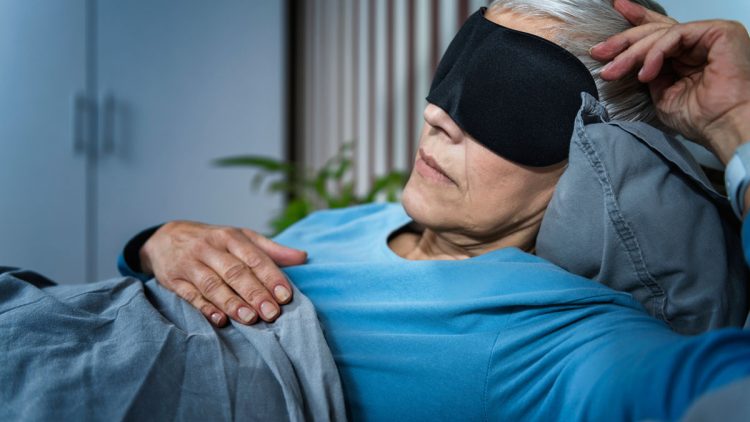
Sleep apnea is deemed a risk factor for dementia. Those with sleep apnea have been revealed not only to have concentration issues and impaired memory; however, also biomarker changes that are related to Alzheimer’s disease.
What is Sleep Apnea?
Sleep apnea, which implies failure to breathe throughout sleep, can either be non-obstructive or obstructive. Obstructive apnea, breathing fails due to a relaxed airway that declines to open up in spite of the brain’s persistence. In non-obstructive apnea happens you’re your brain omits to signal the breathing muscles that it’s time to get going. In Sometimes after more than sixty seconds of not breathing, the brain triggers an alarm quickly enough to jolt the muscles of breathing back into action. Oftentimes this awakens the sleeper; however, more often the spells of apnea and gasping play the role to only strip sleep of its restful and restorative properties. A respiratory infection or overabundance of alcohol use can also interrupt breathing throughout sleep. Chronic and serious apnea, nevertheless, is an extended, debilitating ailment.
Risk Factors for Sleep Apnea
Getting older, with its decrease in muscle tone, is a crucial risk aspect for sleep apnea. Men have sleep apnea occur more than women, although women can also be impacted. Obesity, smoking, overabundance use of sedatives or alcohol, or a definite family history of sleep apnea are also risky aspects. Additionally, more than 50% of those that have Down syndrome also have sleep-associated breathing issues.
The Risks of Untreated Sleep Apnea
One of Shakespeare’s works refers to sleep as the “chief nourisher in life’s feast.” throughout sleep, the body proactively restores and repairs itself. Shortage of oxygen throughout sleep interferes with memory creation, blood pressure management, and weight management.
Untreated apnea is related to an increased risk for dementia, heart attack or stroke. In one study, people that have sleep apnea had a 30% increased risk of heart attack or death than those without sleep apnea.
The Connection Between Sleep and Alzheimer’s
Some studies have shown a relation between sleep deprivation and increased degrees of two Alzheimer’s disease-associated proteins in the brain (tau and beta amyloid). Additionally, having trouble sleeping is typical in people that have Alzheimer’s disease. There could be a bi-directional relationship between Alzheimer’s disease and the quality and length of sleep, but more research is required.
Diagnosing Sleep Apnea and Dementia
The present rule of thumb for diagnosing sleep apnea is through a sleep study. This is a trouble-free procedure throughout which measurements are taken of your heart rhythm and rate; respiration; leg movements; levels of oxygen and carbon dioxide; brain waves; and chin and eye actions.
Treatment for Sleep Apnea
Obstructive sleep apnea treatment can be simpler than treatment for apnea that is central or mixed (with both central and obstructive issues). Straightforward steps like restricting alcohol, smoking, sedatives and muscle relaxants; weight loss; sleeping on one side (often reinforced by attaching a tennis ball on the back of the PJ’s or using a “fanny pack” to bed) or elevating the head of the bed could help. Physical training has been shown to decrease sleep apnea even in the lack of weight loss.
Vista Winds Is An Upscale Retirement Community Located In Peoria, Arizona
If you are doing research about retirement communities in Peoria, Arizona, Vista Winds Retirement Home should definitely be on your list. Vista Winds offers retirement living at its finest. We have a rich calendar of activities, meals prepared by a Chef and caregivers on staff 24 hours a day for your health and safety. We offer award winning independent living, assisted living and memory care services. Come tour our community to see how we are a step above the rest and how easy it is to Make Yourself at Home! Vista Winds is surrounded by amazing views and our resort style property will be sure to impress!