

Skilled Nursing Vs Assisted Living
Written by webtechs

Skilled Nursing Vs Assisted Living

Let’s take a complete look at the similarities, differences, and benefits of skilled nursing facilities and assisted living communities.

What Is Skilled Nursing?

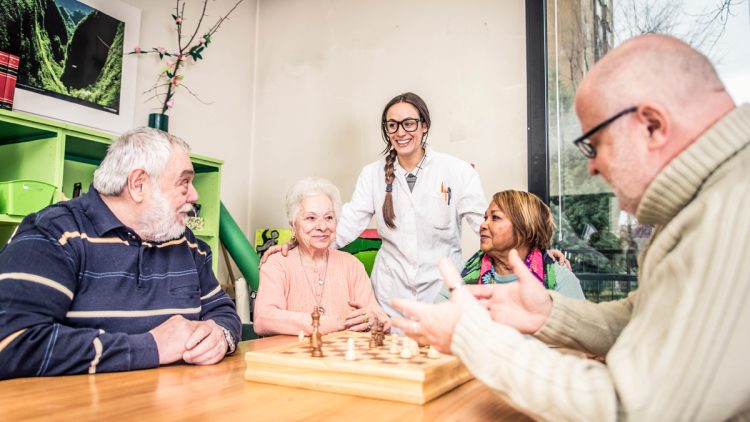
Skilled nursing facilities will provide a higher level of medical care and support for elderly citizens with complex medical needs. At these facilities, registered nurses, certified nursing aides, and various medical staff is on hand to deliver specialized care services.

Residents in these facilities are typically dealing with disabilities, chronic health conditions, or lengthy post-surgery recovery. Skilled nursing staff can administer medications, manage any wounds, and provide 24/7 care to ensure the health and safety of all residents.

Rehabilitation therapy is another service provided by skilled nursing. Residents who require occupational, physical, or speech therapy can access specialized services within this setting. This can be especially valuable for seniors who are recovering from serious injuries or surgeries.

In these facilities, residents will have immediate access to medical professionals, which makes it a great choice for residents with complex health needs

What Is Assisted Living?

Assisted living facilities are settings where seniors live independently for the most part but are provided with assistance when needed. Assistance, of course, will vary based on the individual’s specific needs, such as mobility issues, transportation needs and medication.

If living at home has become a bit too hard or dangerous, then it may be time to think about assisted living. Some facilities will be in a residential-style neighborhood or in a large complex.

Assisted Living Features:

  • Medication monitoring
  • 24-hour care
  • Three meals per day
  • Personal care
  • Social activities
  • Housekeeping/laundry

Benefits Of Assisted Living

Here are a few benefits of assisted living communities:

Safety And Protection

You no longer have to be concerned for your loved one’s safety. Whether you had previous concerns about falls, taking improper medication or not eating a healthy diet, you can rest assured knowing your loved one is being cared for constantly. Assisted living facilities make it their goal to ensure your loved one’s safety.

Day-To-Day Assistance

It is important for seniors to have their independence but still receive the assistance they need in daily activities. These communities will provide residents with tasks, such as dressing, preparing and eating meals, and laundry duties.

Increased Activity

Staying active can be a very difficult task for seniors who still live at home. Your loved ones will be offered an assortment of indoor and outdoor activities. From arts and crafts to dinner parties, communities will make sure your loved one stays active and healthy.

Differences Between Skilled Nursing And Assisted Living

Skilled nursing facilities and assisted living communities will undoubtedly differ in a few ways. It’s crucial to note the key differences between the living situations when choosing what care type is best for your loved one.

When it is no longer possible for an individual to live at home safely, it’s important to consider the differences between these living situations. Here is a quick look at some comparisons between assisted living and skilled nursing arrangements:

Assisted Living Communities Skilled Nursing Facilities
Living accommodations are quite comparable to apartments, being either private or semiprivate. Living accommodations will closely resemble a hospital-like situation.
Housekeeping services are usually included at no extra cost.  Housekeeping and laundry services are provided at these facilities.
Caregivers are available 24/7 or other care can be arranged through a third party. Caregivers are available 24/7 or other care can be arranged through a third party.
Medical personnel is either be on-site or on call.  Physicians are on-site or always on call.
Three meals are served per day or may be prepared by residents in their own apartments.  Three meals are served per day in a communal dining setting.
A schedule of daily activities is provided for all residents.  Less strenuous activities are provided daily for residents.
Transportation provided to and from doctor’s appointments and errands. In general, transportation is provided to and from doctor’s appointments.
Private pay is typically responsible for the majority of costs. Medicare and Medicaid may be covered. Medical services will be covered by Medicaid, Medicare, and most long-term insurance policies.

Conclusion

Choosing between skilled nursing and assisted living arrangements should be based on preferences, individual needs, and medical requirements. Assisted living communities will offer a supportive environment for seniors trying to balance independence along with some assistances with daily tasks.

Skilled nursing facilities, meanwhile, provide more intensive medical care and rehabilitation for seniors struggling with complex medical situations.

Vista Winds Is An Upscale Retirement Community Located In Peoria, Arizona

If you are doing research about retirement communities in Peoria, Arizona, Vista Winds Retirement Home should definitely be on your list. Vista Winds offers retirement living at its finest. We have a rich calendar of activities, meals prepared by a Chef and caregivers on staff 24 hours a day for your health and safety. We offer award winning independent livingassisted living and memory care services. Come tour our community to see how we are a step above the rest and how easy it is to Make Yourself at Home! Vista Winds is surrounded by amazing views and our resort style property will be sure to impress!
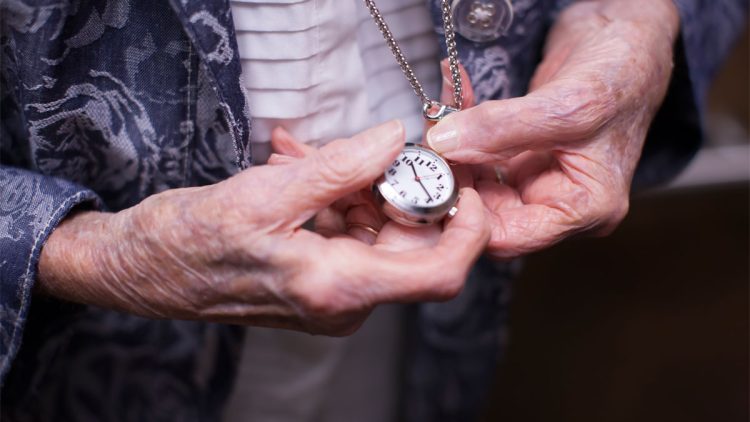

Life Expectancy After Fall In Elderly
Written by webtechs

Life Expectancy After Fall In Elderly

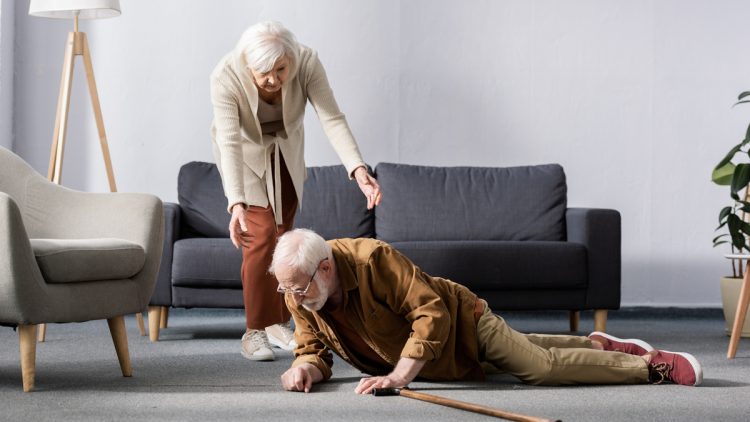
More than one in four elderly citizens fall each and every year, sometimes resulting in serious injuries. Sadly, over 32,000 seniors pass away due to fall-related injuries each year.

At-home falls are actually one of the biggest causes of injury among the elderly. Making safety updates to a home or an apartment is crucial as seniors continue to age. Porch steps, stairs, and other obstacles can pose real threats inside a home. Let’s take a look at elderly falls and life expectancy after injury.

How Does A Fall Cause Death In The Elderly?

There are many factors that can contribute to a long recovery process after a fall. Things like pre-existing medical conditions, old age, and frailty can all contribute to a long and tough recovery process. Ground-level falls are actually responsible for the most serious injuries for senior citizens. One recent study concluded that older adults are three times more likely to die after ground-level falls than those under the age of 70.

Another study conducted by the CDC’s National Center for Injury Prevention and Control said that nearly half of fall-related deaths among seniors ages 65 and up involved some sort of head injury. Prognosis and treatment can still be quite complicated for falls that do not involve the head.

Of course, hospitalizations will still come with some risks. Even when an elderly individual survives a fall and receives adequate medical care, the longer hospital stay could result in discharge to a long-term senior care facility. Longer stays at the hospital can increase vulnerability to several diseases.

Elderly Fall Consequences

Ultimately, the seriousness of a fall depends on the nature of the accident. For example, the way someone falls could be the difference between something like a broken hip or a traumatic brain injury (TBI).

The most common injuries related to falls are fractured bones and soft tissue injuries. Even minor trauma can result in hospitalizations for the elderly, unfortunately. Some seniors may never regain their level of functionality.

Vista Winds Is An Upscale Retirement Community Located In Peoria, Arizona

If you are doing research about retirement communities in Peoria, Arizona, Vista Winds Retirement Home should definitely be on your list. Vista Winds offers retirement living at its finest. We have a rich calendar of activities, meals prepared by a Chef and caregivers on staff 24 hours a day for your health and safety. We offer award winning independent livingassisted living and memory care services. Come tour our community to see how we are a step above the rest and how easy it is to Make Yourself at Home! Vista Winds is surrounded by amazing views and our resort style property will be sure to impress!
What is Anxiety
Written by webtechs

What Is Anxiety?

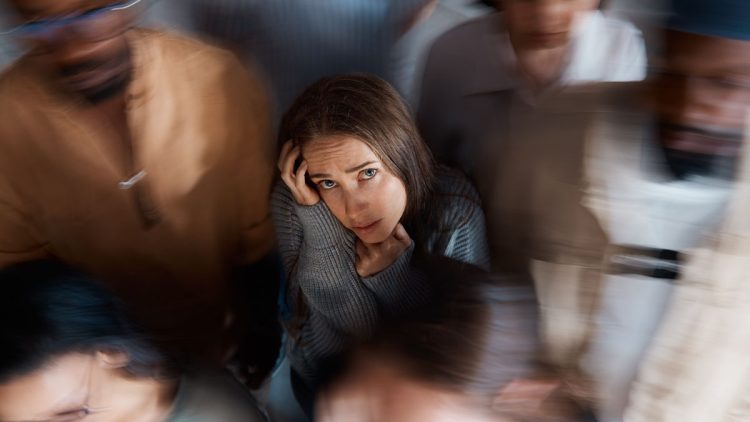
Anxiety is the feeling of fear, terror, and nervousness. It might cause you to perspire, feel uneasy and tense, and have an increased heartbeat. It can be a routine reaction to stress. For instance, you might feel anxious when facing a challenging problem at work, prior to taking a test, or before making a critical decision. It could help you cope. Anxiety might give you an increase in energy or help you concentrate. However, for those with anxiety issues, the fear isn’t brief and can be overpowering.

What Are Anxiety Disorders?

An anxiety disorder is a condition in which you have anxiety that doesn’t recede and can worsen over time. The symptoms can intervene with day-to-day activities like job function, relationships, schoolwork, etc.

What Are the Types of Anxiety Disorders?

There are several types of anxiety disorders, comprising of:

Generalized anxiety disorder (GAD). Those that have GAD are concerned about ordinary issues like health, money, work, and family. However, their worries are exaggerated, and they have them just about daily for at the minimum of six months.

Panic disorder. Those with panic disorders have panic attacks. These are abrupt, recurring periods of extreme fear when there is no danger. The attacks come on fast and can last numerous minutes or more.

Phobias. Individuals with phobias have an extreme fear of something that poses miniscule or no real danger. Their fear may concern insects, heights, being in crowds, or being in social circumstances (called social anxiety).

What Is the Cause of Anxiety Disorders?

The cause of anxiety is unidentified. Circumstances like genetics, brain chemistry and biology, stress, and your environment might play a role.

Who Is at Risk for Anxiety Disorders?

The risk factors for the different kinds of anxiety disorders can differ. For instance, GAD and phobias are more widespread in women, however, social anxiety impacts men and women similarly. There are some typical risk factors for all kinds of anxiety disorders, including:

  • Certain personality characteristics, like being shy or introverted when you are in new circumstances or meeting new people
  • Traumatic incidents in early childhood or adulthood
  • Family background of anxiety or other mental disorders
  • Some physical health ailments, like thyroid issues or arrhythmia

What Are Anxiety Disorder Symptoms?

Different kinds of anxiety disorders can have various symptoms. Nevertheless, they all have a combination of:

  • Anxious beliefs or thoughts that are difficult to control. They make you feel restless and nervous and interfere with your day-to-day life. They don’t go away and can worsen over time.
  • Physical symptoms, like pounding or faster than normal heartbeat, dizziness, shortness of breath and unexplained aches and pains
  • Behavioral changes, like avoiding daily activities you used to do
  • Exploiting caffeine, other substances, and particular medicines can worsen your symptoms

How Are Anxiety Disorders Diagnosed?

For diagnosing anxiety disorders, your health care practitioner is going to inquire about your symptoms and health history. You might additionally have a physical examination and laboratory tests to be sure that a different health issue is not causing your symptoms.

What Are the Treatments for Anxiety Disorders?

The primary treatments for anxiety disorders are psychotherapeutics (talk therapy), medicines, or a combination of them:

Psychotherapeutics can help you identify and change unsettling emotions, thoughts, and behaviors. To be successful, it should focus on your particular anxieties and needs. There are a lot of kinds; some of the kinds used for anxiety disorders comprise of:

Cognitive behavioral therapy (CBT), which teaches you different ways to think and behave. It can help you alter how you react to the things that cause you to feel fearsome and anxious. It might include exposure therapy. CBT concentrates on having you face your fears so that you are going to be able to do the activities that you have been avoiding.

Commitment and acceptance therapies might help with some anxiety disorders. It uses strategies like mindfulness and objective setting to decrease uneasiness and anxiety.

Medications to treat anxiety disorders include anti-anxiety medication and particular antidepressants. Many kinds of medicines might work better for particular kinds of anxiety disorders. You need to work alongside your doctor to identify which medicine is best for you. You might need to try more than one before you can find the correct one.

Vista Winds Is An Upscale Retirement Community Located In Peoria, Arizona

If you are doing research about retirement communities in Peoria, Arizona, Vista Winds Retirement Home should definitely be on your list. Vista Winds offers retirement living at its finest. We have a rich calendar of activities, meals prepared by a Chef and caregivers on staff 24 hours a day for your health and safety. We offer award winning independent livingassisted living and memory care services. Come tour our community to see how we are a step above the rest and how easy it is to Make Yourself at Home! Vista Winds is surrounded by amazing views and our resort style property will be sure to impress!
More Articles About Retirement

Why Do Dementia Patients Sleep So Much
Written by webtechs

Why Do Dementia Patients Sleep So Much?

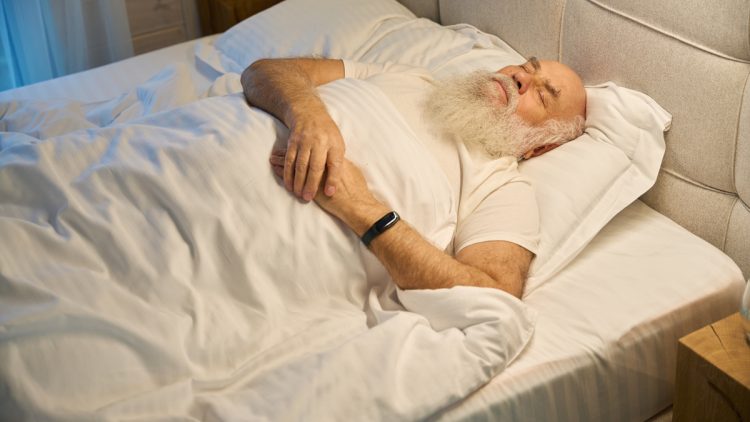
Oversleeping is very common for any individual suffering from dementia. This is a direct result of brain damage that typically happens during the later stages of this disease.

What Is Dementia?

Dementia is the drop of cognitive functions — recalling, thinking, and reasoning — to such a level that it impedes an individual’s daily life and activities. Many individuals that have dementia are unable to keep their emotions in check, and their personalities might change.

Dementia ranges in harshness from the slightest stages, as it is just outset to affect an individual’s awareness, to the most extreme stage, when the individual is required to completely entrust on others for basic activities of daily living, such as dressing themselves.

Dementia has an affect on millions of people across the world and is more common as people age (a 1/3rd of all individuals aged 85 plus may have some sort of dementia) but it is not a regular part of aging. Many individuals live well into their 90’s and beyond lacking any indications of dementia.

Why Do People With Dementia Sleep So Much?

Oversleeping is very common among individuals in the advanced stages of dementia. Healthy sleeping patterns are obviously important for everyone, so try to keep track of how much your loved one may be sleeping.

Brain damage becomes excessive as dementia continues to progress. Individuals with dementia often feel weak and frail as the disease intensifies. Executive function will change in the frontal lobe of one’s brain. The result can appear as a lack of motivation or sluggishness. Even easy tasks like standing up will become difficult for anyone suffering from dementia.

Individuals with dementia can also experience some dramatic changes in their circadian rhythm or sleep-wake cycle. This ultimately impacts the quality of sleep. Individuals suffering from dementia often have impaired brain cells, especially when it comes to sleep cycles. This can result in excessive sleeping patterns during daytime hours, but less at nighttime.

Vista Winds Is An Upscale Retirement Community Located In Peoria, Arizona

If you are doing research about retirement communities in Peoria, Arizona, Vista Winds Retirement Home should definitely be on your list. Vista Winds offers retirement living at its finest. We have a rich calendar of activities, meals prepared by a Chef and caregivers on staff 24 hours a day for your health and safety. We offer award winning independent livingassisted living and memory care services. Come tour our community to see how we are a step above the rest and how easy it is to Make Yourself at Home! Vista Winds is surrounded by amazing views and our resort style property will be sure to impress!
Is Memory Care Considered Skilled Nursing
Written by webtechs

Is Memory Care Considered Skilled Nursing?

While memory care is considered skilled nursing, there are a few things you’ll want to know about this level of senior care.

Does Memory Care Get Considered As Skilled Nursing?

Many individuals may be wondering what the differences and similarities between memory care and skilled nursing are. As mentioned, memory care is considered skilled nursing, and it can be administered by a personal care provider.

Skilled nursing’s primary goal is to rehabilitate a patient’s needs. Memory care communities are designed for patients specifically suffering from Dementia or Alzheimer’s.

What Is Memory Care?

Unlike a conventional assisted living facility or retirement home, memory care accommodates those with issues with thinking and memory (referred to as neural disorders). Professional staff at these facilities care for those dealing with later phases of Alzheimer’s, dementia, or other types of memory loss issues.

Memory care facilities also provide residents with meal preparation, household management, and laundry in addition to social activities, many of which are designed to benefit their physical and mental wellbeing. These facilities have extra safety measures, such as secured doors. They might utilize visual prompts, for instance pictures or signs, to help residents accomplish things on their own.

Differences Between Memory Care And Skilled Nursing

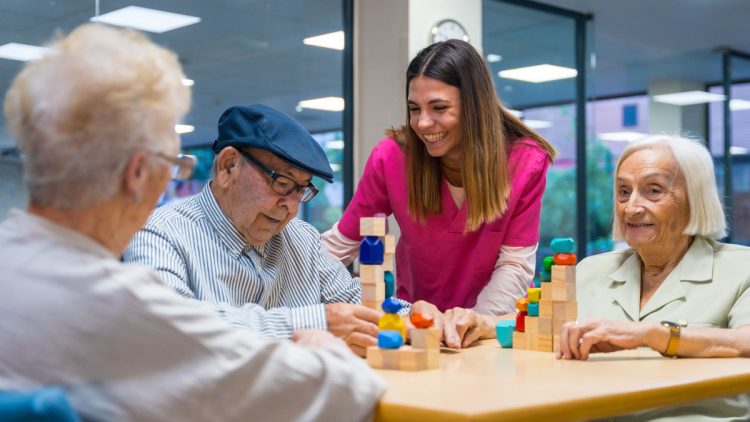
Memory care services are designed to help individuals currently suffering from Alzheimer’s or Dementia. Memory care residents have structured daily activities in order to keep them on a routine, which ultimately lessens stress levels. The majority of these activities are designed to engage and improve cognitive stimulation.

Memory care communities will offer more supervision than most other senior care levels. This is the case because many individuals with memory-related issues have a tendency to wander around. These communities are typically much safer, with most doors and elevators either locked or protected with alarms. Memory care aims to keep all residents safe and accounted for.

Vista Winds Is An Upscale Retirement Community Located In Peoria, Arizona

If you are doing research about retirement communities in Peoria, Arizona, Vista Winds Retirement Home should definitely be on your list. Vista Winds offers retirement living at its finest. We have a rich calendar of activities, meals prepared by a Chef and caregivers on staff 24 hours a day for your health and safety. We offer award winning independent livingassisted living and memory care services. Come tour our community to see how we are a step above the rest and how easy it is to Make Yourself at Home! Vista Winds is surrounded by amazing views and our resort style property will be sure to impress!
What is Depression?
Written by webtechs

What is Depression?

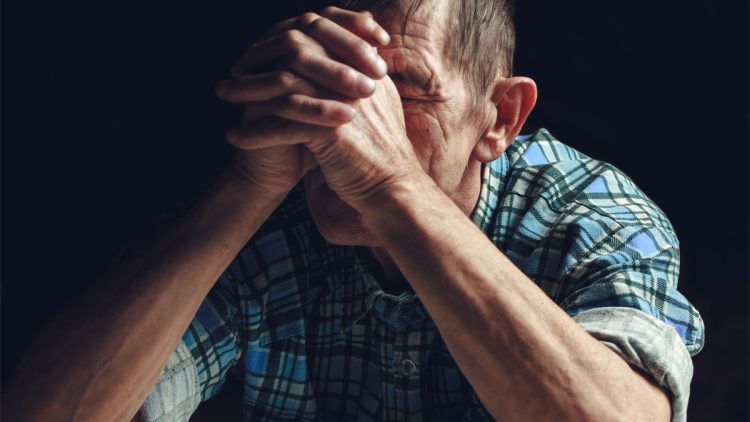
Depression (major depressive disorder) is a frequent and alarming mental disorder that negatively impacts how you feel, act, think, and observe the world.

Almost 3 in 10 adults (30%) have been diagnosed with depression at some point in their lives and around 18% are presently encountering depression, as reported by a 2023 national survey. Women are more probably than men and younger adults are more probable than older adults to encounter depression. Whereas depression can happen any time and any age, on average it can initially appear throughout someone’s late teens to mid-twenties.

Symptoms of Depression

  • Symptoms can vary from mild to serious and can appear in a different way for each individual. These symptoms can comprise of:
  • Feelings of sadness, irritability, emptiness and/or hopelessness.
  • Losing interest or enjoyment in activities you’ve once enjoyed.
  • A considerable change in appetite (eating a lot less or more than typical) and/or weight (notable loss or gain unassociated to dieting).
  • Not sleeping enough or sleeping too much.
  • Reduced energy or increased weariness or fatigue
  • Increase in meaningless physical activity (for instance inability to stay still, roaming, hand squeezing) or slowed speech or actions that are severe enough to be noticeable by others.
  • Feelings of worthlessness or overly guilt.
  • Difficulty concentrating or thinking, forgetfulness, and/or challenges making minor choices.
  • Thoughts of death, suicidal conception, or suicidal behaviors.

It is typical to experience instances of sadness or feeling “down in the dumps” or the blues as part of human life. Nevertheless, a diagnosis of depression requires that the preceding symptoms happen for most of the day, almost every day, for more than 2 weeks, along with an obvious change in daily functioning (for instance in work/school implementation, individual relationships, and activities). Thankfully, there are treatments for depression.

Risk Factors for Depression

Depression can impact anyone—even those who appear to have it all. Many factors can play a part in depression. A lot of factors can play a part in depression:

  • Biochemical: Variations in certain chemicals in the brain (like the neurotransmitters serotonin, norepinephrine and dopamine) could add to symptoms of depression.
  • Genetic: Depression can run in families. For instance, when one identical twin has depression, the other has a seventy percent chance of having the illness sometime in their life.
  • Personality: Those with low self-esteem, that are easily overwhelmed by stress, or those that are typically pessimistic might be more possible to experience depression.
  • Environmental: Continual exposure to violence, desolation, abuse or impoverishment can also generate risks for developing depression.

How Is Depression Treated?

Depression is one of the most treatable mental illnesses. Between seventy and ninety percent of those with depression at the end of the day respond well to treatment.

To diagnose depression, a health care professional is going to conduct a thorough diagnostic assessment that includes an extensive interview to go over your symptoms as well as your medical, personal, and family histories. Additionally, a physical examination is required to be carried out to check for underlying medical conditions that may simulate depression — like hormonal imbalances, vitamin insufficiencies, neurological issues and drug or alcohol abuse. Imaging and laboratory tests could also be included in the assessment as part of the medical checkup. The assessing medical professional is going to take all these aspects into account as they develop a diagnosis and suggest a personalized treatment plan.

Vista Winds Is An Upscale Retirement Community Located In Peoria, Arizona

If you are doing research about retirement communities in Peoria, Arizona, Vista Winds Retirement Home should definitely be on your list. Vista Winds offers retirement living at its finest. We have a rich calendar of activities, meals prepared by a Chef and caregivers on staff 24 hours a day for your health and safety. We offer award winning independent livingassisted living and memory care services. Come tour our community to see how we are a step above the rest and how easy it is to Make Yourself at Home! Vista Winds is surrounded by amazing views and our resort style property will be sure to impress!
More Articles About Retirement

Time for Memory Care
Written by webtechs

When Is It Time for Memory Care?

Making the decision for moving a loved one to a memory care facility represents a significant lifestyle transformation. It’s by no means easy to think of an adjustment away from independent living.

However, dementia and Alzheimer’s disease advance over time. A lot of family members aren’t prepared to care for someone with progressive forms of these ailments. The time to discuss this is before symptoms worsen.

It’s a lot easier to carry out research and make these decisions when you are composed and thoroughly prepared than when you’re facing a crisis situation. At some stage, those with dementia might need around-the-clock care. Memory care might be the safest, best, and less distressful alternative for both them and their caretakers.

What Is Memory Care?

Unlike a conventional assisted living facility or retirement home, memory care accommodates those with issues with thinking and memory (referred to as neural disorders). Professional staff at these facilities care for those dealing with later phases of Alzheimer’s, dementia, or other types memory loss issues.

Memory care facilities also provide residents with meal preparation, household management, and laundry in addition to social activities, many of which are designed to benefit their physical and mental wellbeing. These facilities have extra safety measures, such as secured doors. They might utilize visual prompts, for instance pictures or signs, to help residents accomplish things on their own.

Memory care facilities can be included in assisted living centers, nursing homes, or retirement communities. They also can be independent facilities.

8 Signs It’s Time for Memory Care

There are no particular rules for when someone requires full-time care. A medical practitioner can carry out tests to establish if their cognitive disorder has worsened. If you or your loved one is presently in assisted living or a retirement home, staff there may recognize signs that they need a higher degree of care. And specific changes in their behavior, appearance, and surroundings can provide signs:

  1. They’re not paying their bills. Whereas anyone can forget to make a payment occasionally, it’s a matter for concern if you begin getting confusing calls wondering why the satellite or electricity was turned off.
  2. They disregard personal hygiene and housekeeping. They might have forgotten how to do household cleaning or have issues bathing and dressing themselves.
  3. They become vulnerable in their present home. They might leave the stove on, trip and fall, or lose their way.
  4. They don’t take proper care of their health any longer. They might forget their meds or take too much of them. They don’t schedule doctor’s appointments. They disregard meals.
  5. They lose track of the passing of time. At an early stage of dementia, they could forget the date and then recall it later. However, forgetting the year or season is a matter of concern.
  6. They remove themselves from hobbies and social settings. Studies have shown that social isolation makes dementia symptoms worse. Most memory facilities offer activities and highlight socialization.
  7. You are concerned about your own safety. Some progressive forms of dementia can result in aggressive and abusive demeanors.
  8. Taking care of a loved one has taken a physical and mental toll on you. You’re stressed, worn out and disregarding your own needs.

Vista Winds Is An Upscale Retirement Community Located In Peoria, Arizona

If you are doing research about retirement communities in Peoria, Arizona, Vista Winds Retirement Home should definitely be on your list. Vista Winds offers retirement living at its finest. We have a rich calendar of activities, meals prepared by a Chef and caregivers on staff 24 hours a day for your health and safety. We offer award winning independent livingassisted living and memory care services. Come tour our community to see how we are a step above the rest and how easy it is to Make Yourself at Home! Vista Winds is surrounded by amazing views and our resort style property will be sure to impress!
How-To-Save-For-Retirement-Without-A-401k
Written by webtechs

Saving For Retirement Without a 401K

Saving for retirement without a 401k seems like a daunting task, but luckily there are several other savings options available. If you are searching for “how to save for retirement without a 401k,” then this post will be your guide!

How To Save For Retirement

There are a few ways to save money in the absence of a 401k plan. Whether you are unemployed, self-employed or simply seeking other investment options, there is always a plan for your needs. Let’s take a look at a few of the alternatives for savings.

Solo 401k

A solo 401k, also known as a self-employed 401k, is perfect for those not expecting to make a large yearly income. With a solo 401k, you are eligible to contribute twice, once as an employee and once as the employer. Participants are allowed to contribute their entire yearly earnings, as long as it does not surpass $19,500. When contributing as the employer, though, the amount will differ. You are allowed to contribute up to 25% of your earnings as the employer. Spouses of solo 401k contributors are eligible for this plan, as well.

Saving Tax Refunds

Everyone’s gut instinct is to spend, spend, spend when that tax return finally comes back! But, if you can just hold off the urge to spend this money, it could pay off in the long run. Simply saving any tax refunds is the simplest way to invest in your retirement. IRS Form 8888 currently allows taxpayers to deposit refunds directly into two or more savings accounts.

Contribute To CD

Are you looking for a safe investment option? Well, contributing to a CD (certificate of deposit) may be the best choice one can make when saving towards retirement. The federal government insures CDs to never lose value, which makes this one of the safest investment plans out there. Money contributed in a CD can also be withdrawn at any time. This is a great benefit for anyone encountering unexpected bills, such as hospital stays or higher car payments.

Opening An IRA

Opening an IRA tends to be the most popular option for individuals without a 401k. There are a couple different IRA options available. A Roth IRA and a traditional IRA can both be great investment options. The only requirement for anyone opening an IRA is that they must be earning an income. However, if you are unemployed but married to someone earning an income, you are eligible for this plan. Self-employed workers commonly choose to open an IRA.

Health Savings Account

A health savings account (HSA) can be opened even if you have already opted to choose an IRA, solo 401k or contribute to a CD. Tax-free withdraws and immense growth potential are two benefits of a health savings account. After the age of 65, money can be pulled from a HSA with no penalties.

Vista Winds Is An Upscale Retirement Community Located In Peoria, Arizona

If you are doing research about retirement communities in Peoria, Arizona, Vista Winds Retirement Home should definitely be on your list. Vista Winds offers retirement living at its finest. We have a rich calendar of activities, meals prepared by a Chef and caregivers on staff 24 hours a day for your health and safety. We offer award winning independent livingassisted living and memory care services. Come tour our community to see how we are a step above the rest and how easy it is to Make Yourself at Home! Vista Winds is surrounded by amazing views and our resort style property will be sure to impress!

5 Retirement Party Ideas For Boss Or Co-Worker
Written by webtechs

5 Retirement Party Ideas For Boss Or Co-Worker

If you are looking for “retirement party ideas“, we’re here to share 5 ideas that will certainly spice up the night!

Ideas For A Retirement Party

Every retirement party will be different, but these five ideas are guaranteed to be hits!

1. Set A Party Theme

Make the retirement party stand out from all the other celebrations by a picking a theme unique to the retiree or their working environment. These parties are the perfect time to reflect back on one’s long career. Pick a theme that will give the party a nostalgic vibe for all the guests. Use costumes so everyone can dress up from another time; perhaps when the retiree just entered the workforce. Gather ideas with co-workers to pick an appropriate theme.

2. Create A Music Playlist

What’s a party without some music? Set the tone of the night by choosing a fun and relevant playlist of songs. This mix could include some of the retirees’ favorite tunes or even some classics. Here are a few suggestions, perfect for a retirement party:

  • “When I’m Sixty Four” by The Beatles
  • “The Best Is Yet To Come” by Frank Sinatra
  • “I’m Still Standing” by Elton John

3. Invite Friends & Family

Give the evening an extra special touch by inviting your co-worker’s family and friends to the party. You can even invite the guests as a surprise to the retiree. Everyone knows that great co-workers can begin to feel like family, so it time to merge both the work family and the real family. Encourage a family member to give a speech at the end of the night to further enhance the moment.

Retirement Party

4. Play Some Games

Any retirement party needs to have a few games involved. One of the more popular options for these parties is some sort of trivia challenge. Spice up the proceedings by making the trivia questions exclusive to the retiree. Create questions about the retirees’ career and life, making the crowd guess the answers. Or you could simply choose to pose any and all questions directly to the man/woman of the hour.

5. Closing Speeches

Always end the night on the highest note possible. Give as many co-workers, employees, friends and family an opportunity to share a few words about the retiree. Make sure these speeches have a good mix of humor and emotion, as well. Encourage the retiree to take the microphone last to share a few final stories and goodbyes.

Vista Winds Is An Upscale Retirement Community Located In Peoria, Arizona

If you are doing research about retirement communities in Peoria, Arizona, Vista Winds Retirement Home should definitely be on your list. Vista Winds offers retirement living at its finest. We have a rich calendar of activities, meals prepared by a Chef and caregivers on staff 24 hours a day for your health and safety. We offer award winning independent livingassisted living and memory care services. Come tour our community to see how we are a step above the rest and how easy it is to Make Yourself at Home! Vista Winds is surrounded by amazing views and our resort style property will be sure to impress!

More Articles About Retirement

Elderly Ailments
Written by webtechs

Elderly Ailments

Age, hereditary reasons, and gender make it just about impossible for elderly people to avoid turning into a chronic disease number. As reported by NCOA research, around ninety-five percent of elderly people aged sixty and older have at least one ailment, while around eighty percent have two or more. You most likely have a parent or grandparent

Chronic obstructive pulmonary disease (COPD)

Eleven percent of elderly people were treated for COPD —a continual disease that includes two primary conditions: chronic bronchitis and emphysema. This disease makes it difficult to breathe and respiratory, chest tightness and chronic coughing.

Alzheimer’s disease and dementia

Almost twelve percent of elderly people on Medicare received treatment for Alzheimer’s disease or another type of dementia. Alzheimer’s disease is one particular type of dementia—an ailment that causes memory loss and challenging to think or solve problems to the point that it interferes with day-to-day activities. Dementia is not an everyday part of aging and is caused by changes in the brain after a while.

The greatest risk factors for these chronic ailments are things you usually can’t control, comprising of age, family history, and genetics.

Depression

Sixteen percent of elderly people sought out treatment for depression—a treatable medical ailment that is not a normal part of getting older. Depression causes continual feelings of sadness, hopelessness, cynicism, fatigue, challenging to make decisions, appetite changes, a lack of desire for activities, and/or more.

Hypertension (high blood pressure)

Just about sixty percent of elderly people were treated for hypertension—a common ailment that involves both the amount of blood your heart pumps, in addition to how resistive your arteries are to the blood flow. When your heart pumps a lot of blood, and you have restrictive arteries which resist the flow, resulting in high blood pressure, also referred to as hypertension. The risk of hypertension is that you could have it for years and be unaware of it, but it can lead to other serious health ailments, such as strokes and heart attacks.

Diabetes

Twenty-seven percent of elderly people got treatment for diabetes—a disease that happens when your body is resistant to, or does not create enough, insulin. That is what your body utilizes to acquire energy from food, and allocates it to your cells. When this doesn’t occur, resulting in high blood sugar, which can lead to complications heart disease, kidney disease, or loss of vision. The chance of having diabetes increases after age forty-five.

However, if you or someone you know is struggling to control a chronic condition, there are programs in your community that can give assistance to, such as the Chronic Disease Self-Management Program. CDSMP is a little over a month long interactive, small-group seminar that aids participants to build the skills required to manage how chronic conditions impact their lives.

Vista Winds Is An Upscale Retirement Community Located In Peoria, Arizona

If you are doing research about retirement communities in Peoria, Arizona, Vista Winds Retirement Home should definitely be on your list. Vista Winds offers retirement living at its finest. We have a rich calendar of activities, meals prepared by a Chef and caregivers on staff 24 hours a day for your health and safety. We offer award winning independent livingassisted living and memory care services. Come tour our community to see how we are a step above the rest and how easy it is to Make Yourself at Home! Vista Winds is surrounded by amazing views and our resort style property will be sure to impress!

1 2 3 4 5 8