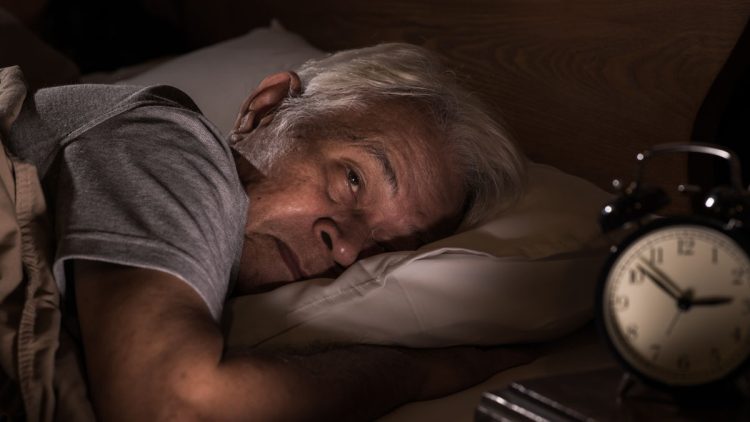
Fall Prevention
Written by webtechs

Fall Prevention

Falls put you at risk of getting seriously injured. Avoid falls using these straightforward fall prevention steps, from going over your medications to hazard controlling your home.

Fall Prevention: Simple Tips to Prevent Falls

Fall prevention is a significant issue to think about as you age. Physical changes and medical conditions — and often the medications used for treating those conditions — make falls more possible as you get older. Falls are a leading cause of injuries among older adults. Fear of falling does not need to lead your life. Rather, take into consideration these 6 simple fall prevention tactics.

1. Schedule An Appointment with Your Health Care Provider

Begin by scheduling an appointment with your health care provider. To evaluate your risk and discuss fall prevention tactics, your health care provider may want to speak to you concerning the following:

  • The medications you take. Create a list of your prescription and non-prescription medications and supplements or take them with you to your appointment. Your health care provider can review your medications for adverse reactions and reactions that might magnify your risk of taking a fall. To assist with preventing falls, your health care provider might think about gradually reducing you off medications that make you fatigued or impact on your thinking, like sedatives, antihistamines and some kinds of antidepressants.
  • Any prior falls. Jot down the details, including the time, place and how it happened. Be ready to discuss examples when you just about fell but are caught by somebody or were lucky enough to grab something in the nick of time. Details like these may help your health care provider determine particular fall prevention tactics.
  • Your health conditions. Specific ear and eye conditions could increase your risk of falling. Be ready to discuss your health conditions and how comfortable you are when walking — for instance, do you feel any lightheadedness, joint pain, difficulty breathing, or lack of sensation in your feet and legs when walking? Your health care provider might additionally assess your muscle strength, balance and the way in which you walk.

2. Keep Moving

Physical activity goes a long way toward preventing falls. With your health care provider’s consent, think about activities like walking, water exercises or tai chi — a peaceful exercise that requires slow and elegant dance-like motions. These activities decrease the risk of falls by enhancing strength, stability, coordination and versatility.

If you avoid physical activity since you’re concerned it is going to make a fall more probable, let your health care provider know. They may suggest carefully overseen exercise routines or sending you to a physical therapist. The therapist can devise a customized exercise program geared towards enhancing your balance, versatility and muscle strength.

3. Wear Sensible Shoes

Think about switching out your footwear as a portion of your fall prevention strategy. floppy slippers, high heels, and shoes that have slick soles can cause you to slip, tip and fall. Additionally, so can walking in your socks. Alternatively, wear correctly fitting, durable, flat shoes with non-skid soles. These types of shoes could also decrease joint pain.

4. Remove Hazards in Your Home

Look around your home for possible fall hazards. For making your home safer:

  • Take out boxes, newspapers, electrical and phone cords from walkways.
  • Move end tables, journal racks and plant stands out of high-traffic areas.
  • Secure loosened rugs with double-sided tape, nails or a non-slip backing — or eliminate loose rugs from your home altogether.
  • Repair loosened, wooden floorboards and carpeting sooner than later.
  • Keep clothing, food, dishes, and other necessities easily within reach.
  • Without delay clean up liquid spills, food or grease.
  • Utilize non-slip bathmats in your tub or shower. Utilize a bath seat, which enables you to sit while you shower.

5. Light Up Your Living Space

Have your home brightly lit to avoid tripping on things that are difficult to see. Also:

  • Plug in night lights in your bedroom, bathroom(s) and hallways.
  • Place a lamp in reach of your bed in case you need to get up in the dead of night.
  • Make clear pathways to light switches that are not near entrances to rooms. Consider trading conventional light switches for glow-in-the-dark or illuminated light switches.
  • Keep the lights on prior to going up or down stairs.
  • Store flashlights in easy-to-locate areas in case the power goes out.

6. Utilize Assistive Aids

Your health care provider might suggest using a cane or walker to keep you balanced. Other assistive aids can help, too. For instance:

  • Handrails for each side of stairways
  • Non-slip treads for bare-wooden steps
  • A raised toilet seat or one that has armrests
  • Grab bars for the tub or shower
  • A stout plastic seat for the tub or shower— in addition to a hand-held shower nozzle for bathing when sitting down

If required, ask your health care provider to refer you to a physical therapist. And this type of therapist can help you brainstorm other fall prevention tactics. Some resources are easily installed and somewhat budget friendly. Others may need professional help or a larger investment. If you’re worried about the cost, don’t forget that an investment in fall prevention is an investment in your freedom.

Vista Winds Is An Upscale Retirement Community Located In Peoria, Arizona

If you are doing research about retirement communities in Peoria, Arizona, Vista Winds Retirement Home should definitely be on your list. Vista Winds offers retirement living at its finest. We have a rich calendar of activities, meals prepared by a Chef and caregivers on staff 24 hours a day for your health and safety. We offer award winning independent livingassisted living and memory care services. Come tour our community to see how we are a step above the rest and how easy it is to Make Yourself at Home! Vista Winds is surrounded by amazing views and our resort style property will be sure to impress!

More Articles About Retirement

What is Alzheimer's Disease
Written by webtechs

What is Alzheimer’s Disease?

Alzheimer’s is the most general cause of dementia, common terminology for memory loss and different cognitive capacities harsh enough to disrupt day-to-day life. This disease accounts for sixty to eighty percent of dementia cases.

Alzheimer’s isn’t a normal part of getting older. The biggest known risk factor is getting older, and many of the individuals with Alzheimer’s are sixty-five or older. This disease is thought to be younger-onset Alzheimer’s if it impacts an individual under sixty-five. This could also be called early-onset Alzheimer’s. Individuals with this type of Alzheimer’s could be in the initial, middle or later stages of the disease.

Alzheimer’s gets worse over time. It is a degenerative disease, whereupon dementia symptoms gradually get worse over the years. In its initial stages, loss of memory is moderate, however, with later-stage Alzheimer’s, those with it lose the capability to carry on a discussion and a response to their environment. On average, an individual with Alzheimer’s lives 4 to 8 years after initial diagnosis but can live up to 20 years, subject to other factors.

There is no cure for Alzheimer’s, but 2 treatments — donanemab (Kisunla™) and lecanemab (Leqembi®) — prove that the removal of beta-amyloid, one of the distinctive traits of Alzheimer’s disease, from the brain decreases functional and cognitive reduction in those living with early Alzheimer’s. Other treatments can briefly slow the advancement of dementia symptoms and enhance quality of life for those with living Alzheimer’s and their care takers. Presently, there is a global effort underway to find better ways for treating the disease, postpones its onset and prevents it from advancing.

Symptoms of Alzheimer’s

The most general initial symptom of Alzheimer’s is difficulty recollecting freshly learned information.

Similar to our bodies, our brains transform as we get older. Most of us ultimately observe some slowed thinking and sporadic issues with recollecting certain things. Nevertheless, sharp loss of memory, confusion and other considerable changes in the way our brains work might be an indication that neurons are weakening.

Alzheimer’s changes usually start in the part of the brain that impacts learning. As Alzheimer’s progresses through the brain leading to increasingly harsh symptoms, amongst other things disorientation, behavior and mood changes; deepening misunderstanding concerning events, time and place; baseless suspicions concerning family, friends and professional caretakers; more harsh loss of memory and behavior changes; and challenges speaking, eating or drinking and walking.

Those with memory loss or further possible signs of Alzheimer’s might find it hard to recognize they have an issue. Signs of dementia could be more noticeable to family members or friends. Anyone enduring dementia-like symptoms should see a doctor sooner than later. If you need help finding a doctor with experience assessing memory issues, your local Alzheimer’s Association can help. Early diagnosis and intervention techniques are improving drastically, and treatment alternatives and sources of support could improve quality of life.

Research and Progress

In 1906, German doctor Alois Alzheimer initially detailed as “a peculiar disease” — one of deep loss of memory and diminutive changes in the brain — a disease we presently call Alzheimer’s.

Presently, Alzheimer’s is at the front of bio-medical research. Scientists are working to uncover as many facets of Alzheimer’s and other dementias as imaginable. Some of the most impressive advancements have opened a window on how Alzheimer’s impacts the brain. The hope is that this knowledge is going to lead to new treatments. Many possible approaches are presently under investigation throughout the world.

Vista Winds Is An Upscale Retirement Community Located In Peoria, Arizona

If you are doing research about retirement communities in Peoria, Arizona, Vista Winds Retirement Home should definitely be on your list. Vista Winds offers retirement living at its finest. We have a rich calendar of activities, meals prepared by a Chef and caregivers on staff 24 hours a day for your health and safety. We offer award winning independent livingassisted living and memory care services. Come tour our community to see how we are a step above the rest and how easy it is to Make Yourself at Home! Vista Winds is surrounded by amazing views and our resort style property will be sure to impress!

More Articles About Retirement

Written by webtechs

What is RSV?

Respiratory syncytial virus, generally referred to as RSV, is a common respiratory infection that impacts children and adults. A lot of children contract RSV prior to the age of two. RSV is not typically a severe condition; nevertheless, higher risk groups — particularly infants — could arise in severe cases and necessitate a hospital visit.

What is RSV?

RSV is an infection that leads to inflammation of the lungs and respiratory tract. The peak period for RSV to circulate is throughout the colder seasons. A lot of children and adults with RSV are going to have mild symptoms comparable to the common cold and recover in 1 to 2 weeks. In children a year or younger, RSV is the most general cause of inflammation of the lungs, like pneumonia and bronchiolitis.

Who is at Risk for RSV?

Individuals at any age can develop RSV, but those at the highest risk of complications comprise of:

  • Preterm infants and children under two years of age
  • Children under two years of age with chronic lung diseases, such as bronchiolitis
  • Adults and children that have impaired immune systems because of illnesses or medical ailments
  • Children under two years of age with congenital (from birth) heart issues
  • Infants under the age of six months
  • Children that have neuromuscular disorders that cause challenges in swallowing or clearing mucus secretions
  • Older adults with lung or heart issues

RSV Causes and Spread

RSV is extremely contagious. It is spread by coming in contact with fluids from an infected individual’s mouth or nose. This can occur by inhaling the droplets of the individual’s sneeze or cough, or by contacting a contaminated surface prior to touching the eyes, nose or mouth. Epidemics typically occur in classrooms, community centers and day care facilities.

In a lot of cases, those with RSV are contagious for 3 to 8 days after their initial exposure. Nevertheless, when an infant or an individual with a weakened immune system comes down with the infection, they could be contagious for up to a month.

Symptoms of RSV

Usually, symptoms of RSV begin within four to six days following exposure. The initial symptoms are usually mild, and like those of the common cold. Typical symptoms could include:

  • Runny nose
  • Wheezing
  • Coughing
  • Low fever
  • Sneezing
  • Decreased appetite

In many cases, the infection is going to lead to serious respiratory disease in infants. Get a hold of a doctor if you notice:

  • High fever
  • Exhaustion
  • Worsening cough
  • Flaring nostrils or chest muscles noticeably pulling in and out, denoting breathing problems
  • Bluish hues of skin (fingers and lips)
  • Speedy or irregular breathing
  • Wheezing
  • Difficulty drinking, eating or swallowing

Diagnosis of  RSV

RSV may be diagnosed by a health care professional following seeing symptoms and results from a physical examination. Additional tests, like a nasal wash or nasal swabs may additionally be used for diagnosis.

RSV Treatment

For individuals with moderate symptoms, no particular treatment is required. OTC pain medications or fever reducers can help control symptoms. Aspirin must NOT be provided for children or teenagers in the course of viral illnesses.

Those with RSV should drink plenty of fluids to avoid getting dehydrated.

Children with serious symptoms may require a visit to the hospital to receive more fluids, oxygen therapies or utilization of a ventilator breathing device. Anti-viral medications may be utilized in the treatment of some patients with serious cases in the hospital.

Prevention of RSV

RSV spreads easily from individual to individual. The appropriate steps to take to avoid the spreading of RSV, especially when experiencing cold-like symptoms, are:

  • Washing your hands for a minimum of 20 seconds.
  • Try not to touch your face with unwashed hands.
  • Avoid close contact with others (particularly sick individuals), like shaking hands, sharing drinking or eating utensils, and kissing.

Vista Winds Is An Upscale Retirement Community Located In Peoria, Arizona

If you are doing research about retirement communities in Peoria, Arizona, Vista Winds Retirement Home should definitely be on your list. Vista Winds offers retirement living at its finest. We have a rich calendar of activities, meals prepared by a Chef and caregivers on staff 24 hours a day for your health and safety. We offer award winning independent livingassisted living and memory care services. Come tour our community to see how we are a step above the rest and how easy it is to Make Yourself at Home! Vista Winds is surrounded by amazing views and our resort style property will be sure to impress!

What Causes COPD
Written by webtechs

What Causes COPD?

After a while, exposure to lung irritants such as tobacco smoke or chemicals can adversely affect your lungs and airways. This lengthy period of exposure can cause chronic obstructive pulmonary disease (COPD), which includes emphysema and chronic bronchitis. The main factor of COPD is smoking, nevertheless 25% of people living with COPD have never smoked.

  • Smoking
  • Job related exposures
  • Air pollution
  • Alpha-1 Antitrypsin Deficiency

COPD Safety Factors

COPD is typically called “smoker’s disease” however even though smoking is one of the primary safety factors for developing COPD, people that have never smoke can also develop COPD. Other safety factors might include:

  • A background of childhood respiratory infections
  • Smoke exposure from wood or coal burning stoves
  • Secondhand smoke exposure
  • Individuals with a history of asthma
  • Individuals that have underdeveloped lungs
  • People that are forty years old and older as lung function wanes as you age

Whereas these causes and safety factors may increase your risk to develop COPD, people that live in poverty and people that live in rural areas have more potential to develop COPD. Besides smoking status, other reasons for the increased risk to develop COPD may include exposure to indoor and outdoor irritants, job related exposures and lack of health care access.

Early Warning Signs of COPD

Don’t postpone talking to your health care provider concerning respiratory symptoms—early detection could improve your quality of life.

Reduce Your Risk for COPD

If you are concerned about developing COPD, you can implement steps to decrease your risk.

Avoid Exposure to Secondhand Smoke.

Keep up to date with your COVID-19, pneumonia, and flu vaccinations. These vaccines help safeguard you against respiratory viruses.

When you are exposed to chemicals, dust and fumes through your place of employment, use proper protective equipment and take safety training courses.

COPD is a progressive illness, and it can worsen after a while. If you have safety factors for COPD or are experiencing symptoms, do not put off talking to your health care provider. The sooner you are diagnosed with COPD, the earlier treatment can start.

Vista Winds Is An Upscale Retirement Community Located In Peoria, Arizona

If you are doing research about retirement communities in Peoria, Arizona, Vista Winds Retirement Home should definitely be on your list. Vista Winds offers retirement living at its finest. We have a rich calendar of activities, meals prepared by a Chef and caregivers on staff 24 hours a day for your health and safety. We offer award winning independent livingassisted living and memory care services. Come tour our community to see how we are a step above the rest and how easy it is to Make Yourself at Home! Vista Winds is surrounded by amazing views and our resort style property will be sure to impress!

What is Arthritis?
Written by webtechs

What is Arthritis?

Arthritis is the swelling and sensitivity of one or more of your joints. The primary symptoms of this disease are inflexibility and joint pain, which usually gets worse as you grow older. The most general kinds of arthritis are osteoarthritis and rheumatoid arthritis.

Osteoarthritis is the cause of cartilage breaking down. Rheumatoid arthritis is a disease in which your immune system assaults the joints, starting with the joints lining.

Uric acid crystals, which develop when there is excessive uric acid in your blood, can be the cause of gout. Underlying diseases or infections, like psoriasis or lupus, can be the cause of other kinds of arthritis.

Treatments differ subject to the kind of arthritis. The primary objectives of arthritis treatments are to decrease symptoms and improve standard of living.

Symptoms

The most common symptoms and signs of arthritis involve the joints. Subject to the kind, symptoms and signs might include:

  • Pain
  • inflexibility
  • Redness
  • Reduced range of motion
  • Swelling

Causes

The two primary kinds of arthritis — osteoarthritis and rheumatoid arthritis — cause damage to joints in various ways.

Osteoarthritis

The most general kind of arthritis, osteoarthritis, entails wear-and-tear damage to a joint’s cartilage. Cartilage pads the ends of your bones and allows almost non-friction joint motion; nevertheless, too much damage could result in bone grinding on bone, causing pain and limited movement. This wear and tear can happen over many years, or it can be hurried by a joint infection or injury.

Osteoarthritis can also cause changes in the bones and degeneration of the ligaments that attach muscle to bone and keep the joint together. When cartilage in a joint is seriously damaged, the lining of the joint might become swollen and inflamed.

Rheumatoid arthritis

With rheumatoid arthritis, the body’s immune system assaults the membrane of the joint capsule, a strong membrane that encompasses all the joint parts. The synovial membrane comes to be swollen and inflamed. The disease progression can ultimately devastate cartilage and bone inside the joint.

Risk factors

Risk factors for arthritis include:

Family history. Some kinds of arthritis run in families, so you might be more prone in developing arthritis when your parents or brothers/ sisters have the condition.

Age. The chance of many kinds of arthritis — including osteoarthritis, rheumatoid arthritis and gout — increase as you get older.

Your gender. Women are more prone than men in developing rheumatoid arthritis, whereas most of the individuals that have gout, another kind of arthritis, are men.

Prior joint injury. Those that have injured a joint, maybe while participating in a sport, are more prone to ultimately develop arthritis in the injured joint.

Obesity. Carrying extra pounds places stress on your joints, specifically your knees, hips and spine. Those with obesity have a higher chance to develop arthritis.

Complications

Severe arthritis, specifically if it impacts your hands or arms, can make it demanding for you to carry out day-to-day tasks. Arthritis of weight-carrying joints could keep you from walking effortlessly or sitting upright. In many cases, joints may slowly lose their shape and alignment.

Vista Winds Is An Upscale Retirement Community Located In Peoria, Arizona

If you are doing research about retirement communities in Peoria, Arizona, Vista Winds Retirement Community should definitely be on your list. Vista Winds offers retirement living at its finest. We have a rich calendar of activities, meals prepared by a Chef and caregivers on staff 24 hours a day for your health and safety. We offer award winning independent livingassisted living and memory care services. Come tour our community to see how we are a step above the rest and how easy it is to Make Yourself at Home! Vista Winds is surrounded by amazing views and our resort style property will be sure to impress!

More Articles About Retirement

Crafts For Seniors with Arthritis
Written by webtechs

Crafts For Seniors with Arthritis

Maintaining health and wellness can become difficult as we get older, especially for those who are struggling with arthritis. The ailment can be the cause of joint pain, swelling, and stiffness making it challenging to perform day-to-day tasks. Nevertheless, taking part in art projects and crafting ideas for the elderly has benefited them, including better physical and emotional health. At Vista Winds Retirement Community, we understand the vital role of creative expression in improving the standard of living for our residents.

Why Are Art Projects for the Elderly Important?

Craft ideas for the elderly with arthritis are important as they promote the following:

  • Cognitive capabilities
  • Social involvement
  • Coordination
  • Improved self-esteem
  • Improved hand-eye coordination

These activities can also offer a sense of achievement as seniors finish their projects. When finished in groups, art projects for the elderly are a perfect way to promote meaningful relationships and connections with other seniors.

Seniors that struggle with arthritis have decreased mobility, and taking part in simple art projects that can be accomplished at home easily can help relieve pain and discomfort. Art therapy has been utilized as a form of rehabilitation and treatment for those with physical and emotional difficulties as the result of different disabilities and ailments.

5 Crafts for Seniors with Arthritis

Crafts are a great way for seniors to spend some time getting creative. The following are only some of the crafts seniors with arthritis can do. Keep reading to learn more.

1. Flowerpot Painting

Flowerpot painting is a perfect craft idea for those with arthritis. Seniors can paint the pot lively colors and embellish them with stickers, glitter, and decorations. The finished pot can be used as a planter for smaller plants or as a decorative art piece.

2. Beaded Jewelry

Beaded jewelry making is an ideal craft idea for the elderly with arthritis. Seniors can create bracelets or necklaces by threading beads on strings. This activity enhances fine hand eye coordination and imagination.

3. Picture Collages

Seniors can create picture collages with old photos of family and friends. The project entails the cutting of pictures, gluing them on paper, and embellishing the collage with glitter and stickers. This activity helps to vitalize memory, and seniors can recall past moments stuck in time.

4. Yarn Painting

Seniors can utilize heavy yarn to produce artwork. They can glue the yarn in patterns or create designs on canvases. This activity for seniors is perfect for those with arthritis, as it is easily done and requires minimal dexterity.

5. Card Making

Card making is a great way for seniors to express their creativity and create personalized cards for friends and family. In this art project for seniors, various materials can be used—such as colored paper, stickers, ribbons, and buttons for decorating the card. This activity also improves hand-eye coordination.

How Senior Living Services and Communities Can Help

Senior living services and communities like Vista Winds Retirement Community have established activity workshops that encourage physical, mental, and societal development for seniors. These activities can comprise of art classes, painting and crafting programs, music and dance classes, recreation, and group excursions. These programs strive to keep seniors involved in mentally stimulating activities and at the same time build social connections. Senior living staff are also trained to work with seniors struggling with arthritis, providing assistance with movement and equipment like ergonomic chairs or assistive devices to help with craft making.

Vista Winds Is An Upscale Retirement Community Located In Peoria, Arizona

If you are doing research about retirement communities in Peoria, Arizona, Vista Winds Retirement Home should definitely be on your list. Vista Winds offers retirement living at its finest. We have a rich calendar of activities, meals prepared by a Chef and caregivers on staff 24 hours a day for your health and safety. We offer award winning independent livingassisted living and memory care services. Come tour our community to see how we are a step above the rest and how easy it is to Make Yourself at Home! Vista Winds is surrounded by amazing views and our resort style property will be sure to impress!

More Articles About Retirement

Assisted Living In Arizona 2025
Written by webtechs

Assisted Living Costs Arizona 2025

In 2025, the median monthly cost of assisted living in Arizona is approximately $5,500.

This figure aligns with national trends, where the median cost of assisted living facilities is about $5,511 per month.

Regional Variations in Arizona

Assisted living costs in Arizona can vary based on location:

  • Tucson: Approximately $4,575 per month.

  • Prescott Valley: Around $6,450 per month.

These variations are influenced by factors such as local demand, amenities offered, and the overall cost of living in each area.

Factors Influencing Costs

Several elements can impact the cost of assisted living:

  • Level of Care Required: Residents needing specialized care or additional services may incur higher costs.

  • Facility Amenities: Communities offering luxury accommodations, diverse activities, or specialized programs might charge premium rates.

  • Apartment Size: Larger living spaces or private rooms typically come at a higher price point.

Financial Assistance and Planning

For those concerned about affordability, Arizona offers programs to assist seniors:

  • Section 8 Vouchers: Provide rental assistance for eligible low-income individuals.

  • Section 202 Supportive Housing: Offers housing for very low-income elderly individuals.

  • Low-Income Housing Tax Credit (LIHTC) Properties: Encourages the development of affordable housing options.

It’s advisable to research and apply for these programs well in advance, as processing times can vary, and eligibility requirements must be met.

Conclusion

Assisted living costs in Arizona for 2025 average around $5,500 per month, with regional differences based on location and facility offerings. Understanding these variations and exploring available financial assistance programs can help in making informed decisions about senior care options in the state.

Vista Winds Is An Upscale Retirement Community Located In Peoria, Arizona

If you are doing research about retirement communities in Peoria, Arizona, Vista Winds Retirement Home should definitely be on your list. Vista Winds offers retirement living at its finest. We have a rich calendar of activities, meals prepared by a Chef and caregivers on staff 24 hours a day for your health and safety. We offer award winning independent livingassisted living and memory care services. Come tour our community to see how we are a step above the rest and how easy it is to Make Yourself at Home! Vista Winds is surrounded by amazing views and our resort style property will be sure to impress!

More Articles About Retirement

[/vc_column_text][/vc_column][/vc_row]
Independent Living Costs 2025
Written by webtechs

Average Cost For Independent Living 2025

The cost of senior living on their own can vary a lot depending on where it is located, what amenities it has, and how many services it offers. Here is a list of the most common costs and things to think about:

1. Average costs across the country (2025 estimate)

Costs every month: $2,000 to $4,000.
Costs per year: $24,000 to $48,000.

2. The price in Arizona

A month in this state makes about $2,200 to $4,500.
Popular places to retire, like Scottsdale or Sedona, may be on the more expensive side because of high demand and high-end options.
In general, it costs less to live in smaller cities like Yuma or Sierra Vista.

3. Things that affect prices

Location: Independent living communities that are in cities with higher cost of living tend to be more expensive.
Amenities: It costs more to live in a luxury community with services like fitness centers, pools, gourmet restaurants, and concierge services.
Size of the Apartment: Studio apartments are less expensive than one- or two-bedroom apartments.
Extra Fees: Some communities have entrance fees or different levels of prices for extra services like housekeeping, meal plans, and transportation.

4. Common things included

Utility bills and rent.
Simple repairs and landscaping.
Social events and activities in the community.
Use of facilities like gyms, libraries, and community rooms.

5. Financial help

Most of the time, Medicaid and Medicare do not pay for independent living because it does not include medical care.
Money saved for retirement, pensions, or long-term care insurance can help seniors pay for these things.
Veterans and their spouses may be able to get benefits from the VA that can help pay for some costs.

How To Find The Best Independent Living Community

It might seem hard at first, but it’s getting easier than ever in 2025 to find a retirement community that fits your personality and way of life. Lots of new retirement communities are being built very quickly all over the place. Though, we know it can be hard to pick the right retirement home. That’s why we made this guide to show you what to look for.

Check the temperature of the place. People think that the weather is one of the most important things to consider when picking a retirement community. Find out about the place you’re going to make sure you can handle changing weather. It gets as hot as 86.4°F sometimes and as cold as 57.5°F other times in Peoria, Arizona. The average temperature there is about 71.95°F.

Feel the vibe. Each neighborhood will have its own feel or personality. Talking to the people who live there is one of the best ways to get a feel for the area. This will also help you get to know the people who might live next door. You could also use this as an opportunity to ask the facility director about the services and activities they provide. Vista Winds has a full monthly calendar of fun things to do, such as live entertainment, movies in our state-of-the-art theater, and more.

Prepare for medical needs in the future. As you age, your health should be the most important thing to you. In Peoria, most neighborhoods have a lot of good things about them, but not all of them can give you the medical care you need. Make sure that all of your medical needs will be met in the future before moving to a new area. This is important even if your health gets worse. Vista Winds has retirement communities for almost every stage of retirement. There are communities for independent living, assisted living, and memory care, and caretakers are on duty 24 hours a day.

Figure out your budget. You need to pick a retirement community that doesn’t cost too much. That’s a lot of hard work to save for retirement. You want to make sure that your savings can cover the costs of living in a retirement community. One way to find out might be to get help from a professional financial planner. In some communities, the monthly fees will go up every year. Before you book, make sure you know how often and by how much the charges change every year.

Write down a list. You can remember what kinds of questions you should ask retirement communities if you have a list. Each type of retirement community will have its own checklist that you will need based on the level of care you need. You can get our help with your own independent living, assisted living, or memory care checklists here.

Check out the list of things to do. Almost every neighborhood will have an activity calendar that shows what’s going to happen each day of the month. Check to see if the activities are ones that you’d like. In most places, you can do things like tennis, golf, and swimming. Keeping busy with activities is a great way to stay healthy and fit. Vista Winds has a lot of things to do, like golf, swimming, live entertainment, and more.

Follow the rules. Most places will have rules and regulations that people who live there must follow. Like, some retirement homes don’t let pets live there. Some places may have rules about smoking cigarettes or cooking food on a grill outside. You should look into the facility you want to use to see what rules they might have and see if they fit with the way you live. Vista Winds does allow pets, and the rules are fair for everyone to follow.
Peace of mind and safety. Most places have caregivers on duty 24 hours a day, seven days a week to make sure that residents are safe and healthy. Some places, like Vista Winds, also have gated entrances for your safety and privacy, and there are caregivers on duty 24 hours a day in case of an emergency. We even clean the apartments for free twice a month and offer free laundry facilities.

Tax rates in your area. It’s not always easy to pay taxes in some places. When you’re thinking about investing in a retirement community, the tax rates in your area are something you should think about. It can be hard to pay these taxes. Talk to the owner or director of the facility to find out what kind of taxes or extra yearly fees you can expect.

Acknowledging the deal. You should know what to expect from the community and the community should know what to expect from you before you sign the lease. Some retirement communities have rules about how you can decorate your home, park your car, and other things. If you’ve never lived in one before, this may come as a surprise. You will be told all of the rules up front by Vista Winds so that you know what to expect before you move in.

“Know what your financing options are.”That is possible for seniors who want to buy the best retirement community if they pay cash. If that’s not the case, you should know what your money options are. This could include home loan taxes.”

Pros and cons. Make a list of the pros and cons of each retirement home to help you decide which one to choose. This will help you make your choice: write down what you liked and what you didn’t like. This way, you can find the facility that fits your personality and way of life the best.

[/vc_column_text]

Vista Winds Is An Upscale Retirement Community Located In Peoria, Arizona

If you are doing research about retirement communities in Peoria, Arizona, Vista Winds Retirement Home should definitely be on your list. Vista Winds offers retirement living at its finest. We have a rich calendar of activities, meals prepared by a Chef and caregivers on staff 24 hours a day for your health and safety. We offer award winning independent livingassisted living and memory care services. Come tour our community to see how we are a step above the rest and how easy it is to Make Yourself at Home! Vista Winds is surrounded by amazing views and our resort style property will be sure to impress!

More Articles About Retirement

[/vc_column][/vc_row]

Does Medicare Pay For Assisted Living
Written by webtechs

Does Medicare Cover Assisted Living?

In most cases, Medicare does not offer coverage to help pay for assisted living care or long-term care. Let’s look at Medicare, Medicaid, and other alternative options to finance assisted living costs.

What Is Assisted Living?

Assisted living facilities are settings where seniors live independently for the most part but are provided with assistance when needed. Assistance, of course, will vary based on the individual’s specific needs, such as mobility issues, transportation needs and medication.

If living at home has become a bit too hard or dangerous, then it may be time to think about assisted living. Some facilities will be in a residential-style neighborhood or in a large complex.

Assisted living features:

  • Medication monitoring
  • 24-hour care
  • Three meals per day
  • Personal care
  • Social activities
  • Housekeeping/laundry

Assisted Living Coverage Options

When deciding which care situation is right for your loved one, total cost is always a top priority to keep in mind. The prices of assisted living will depend on location, services, amenities, accommodations, and floorplans.

When you select the care level you’d prefer, you will need to understand how the expenses will be covered and if Medicare can help with any costs.

Does Medicare Pay For Assisted Living?

Oftentimes, Medicare does not extend coverage to handle assisted living or long-term care costs. However, there are a few situations where Medicare will cover certain qualified healthcare costs at specific facilities.

Medicare is usually used to cover the prices of home healthcare that’s provided by skilled nursing facilities.

Does Medicaid Pay For Assisted Living?

The Arizona Long Term Care System (ALTCS) does pay for care-related services for Arizona residents living in these facilities. The System, however, will not pay for room and board. Assisted living residents will pay for basic living expenses based on their coverage and location.

Alternative Ways To Pay For Assisted Living

If possible, it’s always a wise idea to purchase health insurance policies that will cover some portion of assisted living and long-term care costs. Thankfully, a lot of insurance policies will provide this coverage.

It is quite common for residents to pay for a portion of the costs out of their own pocket. There are some circumstances where the Veteran’s Aid and Attendance Pension can help cover costs.

Vista Winds Is An Upscale Retirement Community Located In Peoria, Arizona

If you are doing research about retirement communities in Peoria, Arizona, Vista Winds Retirement Home should definitely be on your list. Vista Winds offers retirement living at its finest. We have a rich calendar of activities, meals prepared by a Chef and caregivers on staff 24 hours a day for your health and safety. We offer award winning independent livingassisted living and memory care services. Come tour our community to see how we are a step above the rest and how easy it is to Make Yourself at Home! Vista Winds is surrounded by amazing views and our resort style property will be sure to impress!

Time for Assisted Living
Written by webtechs

When is it Time For Assisted Living?

Some seniors and their families worry over whether to move out of a family home to an Assisted Living community whereas others welcome the chance to set up a new home, make new friends, and stop agonizing with cooking and cleaning. For the majority, the decision to move is based on the revelation that Mom or Dad could use a little extra “assistance” and would benefit from a broad range of individualized services, comprising of personalization care, medication supervision and well-balanced meals, in addition to new social ways to combat the solitude they experience living by themselves.

Is it Time for Assisted Living Concerning Your Loved One?

If you answered “yes” to three or more questions on this checklist, Assisted Living might be the ideal next phase for your loved one. Moving into a senior community doesn’t mean a loss of freedom. Quite the opposite. The objective is to maximize your loved one’s freedom within a setting which offers them choices, applauds their individuality, and allows them to flourish. Actually, some people that answer “no” to the following questions still choose Assisted Living for convenient hassle-free community setting with balanced meals, companionship and a strong social calendar.

Below Are Some Questions to Ask Yourself Concerning Your Loved One

  • Are your Mom or Dad having a hard time with chores, yard work and home repairs on their own?
  • Is your loved one finding it challenging to shower, bathe and dress regularly without any help? Are you concerned about their safety in the tub or shower?
  • Are you worried that your Mom or Dad is at risk of falling? Have they recently fallen? Have you noticed a transformation in their mobility, walking, or balance?
  • Has your loved one lapsed on bills? Is old mail gathering?
  • Is your Mom or Dad not capable of scheduling and getting to routine medical appointments on time?
  • Does your loved one sometimes fail to remember to take their medications?
  • Is your Mom or Dad not capable of cooking proper nutritious meals?
  • Are they having challenges keeping a healthy weight and getting some type of regular exercise?
  • Are you concerned about your loved one’s welfare when they are by themselves? Do you worry when you can’t get a hold of them by phone?
  • Does your Mom or Dad find it hard to maintain a social life? Are they making excuses about why they don’t engage with friends or participate in social events or religious activities?
  • Do you believe your loved one feels solitary, lonely or bored? Do they seem to be reserved, scared or depressed?
  • Has your Mom or Dads driving ability declined? Are there issues with low vision, physical boundaries or untimely memory loss which could impact their driving?
  • Has your loved one been hospitalized recently? Are you worried about them continuing their recovery at home by themselves?

In Conclusion

If your parent, another elderly family member or friend makes the move to Assisted Living, they can appreciate a safe, relaxed, social lifestyle and you are going to spend less time worrying and more time delighting in your time together when you visit!

Vista Winds Is An Upscale Retirement Community Located In Peoria, Arizona

If you are doing research about retirement communities in Peoria, Arizona, Vista Winds Retirement Home should definitely be on your list. Vista Winds offers retirement living at its finest. We have a rich calendar of activities, meals prepared by a Chef and caregivers on staff 24 hours a day for your health and safety. We offer award winning independent livingassisted living and memory care services. Come tour our community to see how we are a step above the rest and how easy it is to Make Yourself at Home! Vista Winds is surrounded by amazing views and our resort style property will be sure to impress!

More Articles About Retirement

1 2 3 4 8