

Written by webtechs

Sleep Disorders in Older Adults

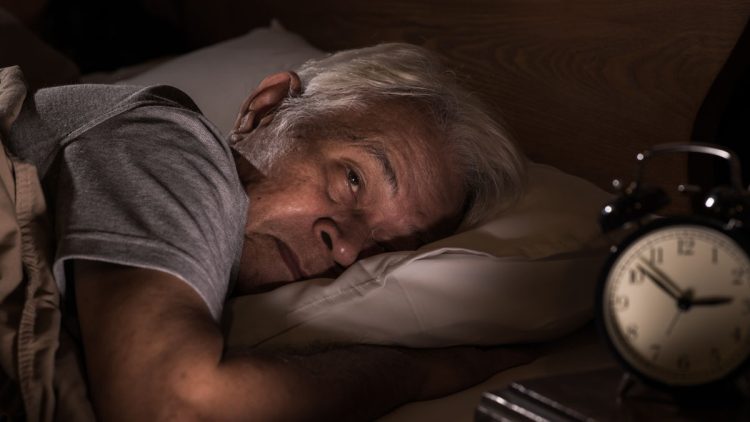
Sleep disorders in the elderly involve any disruption of their sleep pattern. This can comprise problems falling or staying asleep, excessive sleep, or unusual behaviors concerning sleep.

Causes of Sleep Disorders

Sleep problems are not uncommon in older adults. The amount of sleep required stays constant throughout our adult years. It is suggested that adults get seven to eight hours of sleep every night. In the elderly, sleep is less deep and spottier than sleep in those that are younger.

Sleep disorders in older adults may be the result of any of the following:

  • Alzheimer’s disease
  • Use of alcohol
  • Changes in the body’s natural sleep/ wake cycle, causing some of those to fall asleep earlier in the evening
  • Chronic disease, like heart failure
  • Specific medicines, supplements, herbs, and recreational drugs
  • Depression (this is a common cause of sleep issues in the old and young alike)
  • Brain and nervous system ailments
  • Not being very active
  • Pain caused by diseases like arthritis
  • Stimulants like caffeine and nicotine
  • The need to urinate during the night

Symptoms of Causes of Sleep Disorders in Older Adults

Symptoms that may occur include:

  • Trouble falling and staying asleep
  • Difficulty distinguishing night and day
  • Waking up early in the morning
  • Waking up throughout the night (for instance, to use the bathroom)

Examinations and Test

Your healthcare provider is going to revisit the timeline and carry out a physical examination to ascertain it there are any medical causes and establish which type of sleep disorder is causing the issue.

Your healthcare provider may suggest you start keeping a sleep diary or that you have a sleep study (polysomnography) carried out.

Treatment For Sleep Disorders in Older Adults

Alleviating chronic pain and managing medical conditions like nocturia or frequently going to the bathroom may improve sleep in some people. Treatments for depression are going to often improve sleep.

Going to sleep in a quiet room, that is the perfect temperature and having a peaceful bedtime routine could help promote symptoms. Other ways to encourage sleep include this healthy way of living tips:

  • Stay away from large meals shortly before going to sleep. A small bedtime snack could be beneficial. A lot of people find that warm milk promotes sleepiness, because it contains a natural, sedative-like amino acids.
  • Stay away from stimulants like caffeine for at least three or four hours prior to bed.
  • Exercise at regular times every day, however, not within three hours of your bedtime.
  • Head for bed and wake up at the same time each day.
  • Avoid taking naps.
  • Stay away from TV or using your computer, cell phone, or tablet in the bedroom.
  • Avoid tobacco products, particularly prior to sleep.
  • Only use the bed for sleeping or sexual encounters.

If you are unable to fall asleep after twenty minutes, get out of bed and do a quiet activity like reading or listening to soothing music.

Sleeping Pills and Sleep Disorders

If possible, stay away from the use of sleeping pills to help you go to sleep. They could result in addiction and can make sleep issues worse over time if you don’t use them the correctly. Your healthcare provider should evaluate your risks of daytime sleepiness, mental side effects, and falls prior to you start taking sleep medicines.

  • If you believe you require sleeping pills, consult with your healthcare provider concerning which ones are safe for you when taken correctly. Particular sleeping pills shouldn’t be taken for longer than directed.
  • Avoid drinking alcohol at all times when taking/ using sleeping pills. Alcohol can enhance the side effects of every sleeping pill, making them worse.

WARNING: The FDA has petitioned manufacturers of particular sleep medicines to put more powerful warning labels on their products in order for consumers to be more aware of the possible dangers. Potential dangers while taking these medicines include a risky allergic reaction and dangerous sleep-associated behaviors, which could include sleep-driving. Ask your healthcare provider about these risks.

Outlook (Prognosis) of Sleep Disorders

For a lot of people, sleep improves using some type of treatment. Nevertheless, others may continue to have sleep disorders.

Possible Complications of Sleep Disorders in Older Adults

Possible complications could be:

  • Alcohol and/ or drug use
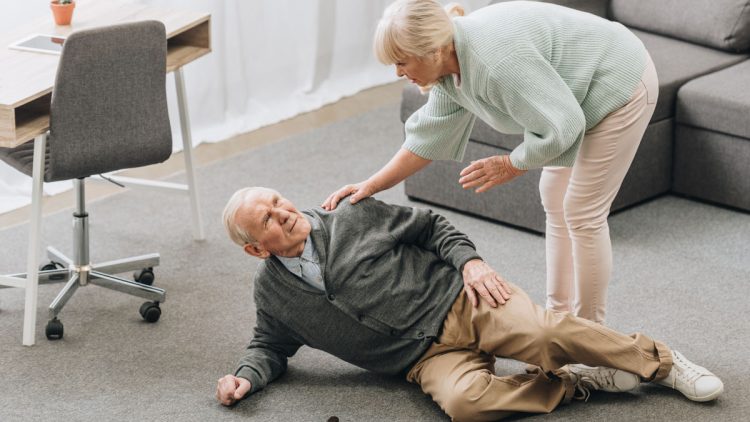
  • Increased risk of falling (because of frequently urinating at night)

Vista Winds Is An Upscale Retirement Community Located In Peoria, Arizona

If you are doing research about retirement communities in Peoria, Arizona, Vista Winds Retirement Home should definitely be on your list. Vista Winds offers retirement living at its finest. We have a rich calendar of activities, meals prepared by a Chef and caregivers on staff 24 hours a day for your health and safety. We offer award winning independent livingassisted living and memory care services. Come tour our community to see how we are a step above the rest and how easy it is to Make Yourself at Home! Vista Winds is surrounded by amazing views and our resort style property will be sure to impress!
Appetite and Dementia
Written by webtechs

Appetite and Dementia

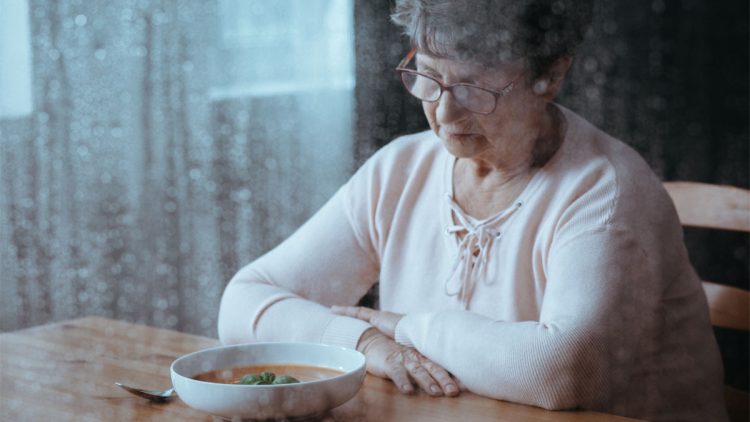
There are a lot of reasons why someone with dementia may go through a change in their connection with food. Many might have lost interest in eating and seem to have decreased appetite, whereas others become worried about not eating enough.

How Can Dementia Impact a Person’s Appetite?

A lot of individuals with dementia lose interest in food, whereas others might eat too much or too frequently. They might have forgotten that they have recently eaten or are concerned about when their next meal is coming.

Lack Of Appetite and Not Eating

An individual with dementia might have lost interest in eating. They may decline to eat it or spit food out. The individual might become upset or agitated or act in a difficult way throughout mealtimes.

If somebody isn’t eating sufficiently, it can result in weight loss and lower muscle strength. They might also feel fatigued and feeble. This can make them more frail and more vulnerable after infections or viruses.

If you’re concerned about somebody that continues to decline to eat, speak to a general practitioner or pharmacist.

Why Somebody with Dementia Might Give Up Eating

A person might have lost interest in, or turned down, food and drink due to a physical difficulty, like issues with chewing and swallowing, or irregularity.

There are other reasons why an individual might give up eating. Comprehending the reason can help you find proper support and resolutions.

Depression

Loss of appetite could be a sign of depression – a commonality in those with dementia. There are effectual treatments for depression, comprise medication and other types of therapies. If you think that the person you are taking care of has depression, speak with a general practitioner.

Communication Barriers

Some may have issues making it known that they’re hungry, that they dislike the food they have been given or that it tastes bad. A person with dementia might be uncertain what to do with the food. They might communicate their needs through their behavior, like declining to eat or keeping food in their mouth.

You could try giving them food options or use incentives and pictures so they can decide on the food they would like to eat.

Pain

They might be in pain or distress, which could make eating challenging. They might have issues with sore gums, their dentures, or sensitive teeth. Going to the dentist for oral hygiene and routine mouth checkups is important.

Fatigue And Concentration

Fatigue can cause those with dementia to not eat or to give up halfway through eating. It can additionally result in other difficulties, such as issues with concentration or with their coordination. Those with dementia may have challenges concentrating on a meal all the way through. Try to encourage them to eat when they are most attentive.

Medication

Changes in medication or their dosage can impact a person’s appetite. If you believe this might be the case, speak to a pharmacist or a general practitioner.

Physical Activity

If they are not that active throughout the day, they might not feel like eating. Reassuring them to be active is going to be good for their health and could increase their appetite.

Similarly, if they are very active or restless – for instance, meandering about or fidgeting – they could use extra calories and might be hungrier than normal or lose weight faster.

What Can You Do to Help?

There are a lot of ways for increasing a person’s appetite and renewing their appeal to food and drink. Knowing the person well and their life story helps, as everybody comes with their own habits, needs, and preferences.

Overeating And Dementia

Many people with dementia might eat too much or too frequently. They might have forgotten that they have already eaten or are concerned about when their next meal is coming.

When a person is eating too much, they could also eat foods that their medical practitioner has notified them not to eat. They could often ask about or look for food. This could be distressing for them and those around them.

Specific types of dementia, like frontotemporal dementia, might be more probable to cause overeating and other changes to eating demeanor. These might include changes in dietary preferences and fixation with particular foods.

Vista Winds Is An Upscale Retirement Community Located In Peoria, Arizona

If you are doing research about retirement communities in Peoria, Arizona, Vista Winds Retirement Home should definitely be on your list. Vista Winds offers retirement living at its finest. We have a rich calendar of activities, meals prepared by a Chef and caregivers on staff 24 hours a day for your health and safety. We offer award winning independent livingassisted living and memory care services. Come tour our community to see how we are a step above the rest and how easy it is to Make Yourself at Home! Vista Winds is surrounded by amazing views and our resort style property will be sure to impress!
More Articles About Retirement

Sleep and Aging
Written by webtechs

Sleep and Aging

Is your sleep unlike when you were young? It happens to the best of us.

Almost half of the population over the age of sixty-five say they have no less than one sleep issue. With age, a lot of people have other sleep issues or insomnia.

It’s true that as we get older, our sleep patterns vary. Overall, older individuals sleep less, wake up then fall back asleep more frequently, and spend decreased time in REM sleep or dreaming than their younger counterparts.

However, at any age, you still require quality rest/ sleep to be healthy.

What Causes Sleep Problems as we get Older?

Some typical reasons include:

Poor sleep routines: When you don’t keep a constant schedule for going to bed and waking up, it can impact on your body’s circadian rhythm, making it even harder to get a good night’s sleep. Additionally, at any age, it’s a negative if you consume alcohol prior to bedtime, take too many naps, or lie in bed when you are not actually sleeping.

Medications: Many medications make it challenging to fall or stay asleep or possibly stimulate you to stay awake. If you believe that could be your case, ask your healthcare professional to check.

Anxiety, stress, or heartbreak: Getting older brings a lot of life changes. Many are positive. Others are really difficult. When you lose somebody you love, move out of your family home, or have an issue that changes the way you live, that can result in stress, which can impede your sleep.

If changes like these impact you or an aging loved one, speak with your healthcare professional or an advocate. It could help calm you down so you can sleep better.

Sleep disorders: Other than insomnia, these comprise apnea, restless leg syndrome, sleepwalking, and REM sleep behavior disorder. Your healthcare professional can see if you suffer from one of these ailments.

Too much downtime: A lot of people stay active well into retirement age. However, if your days are too inactive, you may find it more challenging to get a good night’s sleep.

Do You Get Enough Sleep?

Everybody is different. If you sleep to a lesser degree than when you were young but still feel rested and energetic throughout the day, it could be that now you require less sleep.

However, if you have realized that your lack of sleep impacts you throughout the day, let your healthcare professional know. There are measures you can take to get better sleep. A lot are simple adjustments to your daily routine, such as setting a regular bedtime, staying more active, and taking measures to ease your mind prior to you hitting the hay.

Vista Winds Is An Upscale Retirement Community Located In Peoria, Arizona

If you are doing research about retirement communities in Peoria, Arizona, Vista Winds Retirement Home should definitely be on your list. Vista Winds offers retirement living at its finest. We have a rich calendar of activities, meals prepared by a Chef and caregivers on staff 24 hours a day for your health and safety. We offer award winning independent livingassisted living and memory care services. Come tour our community to see how we are a step above the rest and how easy it is to Make Yourself at Home! Vista Winds is surrounded by amazing views and our resort style property will be sure to impress!
More Articles About Retirement

The Benefits of Aging
Written by webtechs

The Benefits of Aging

A lot of the things we relate to getting older, the aching, pains and lapses in memory—are tough to tolerate and has become clichéd of what it means by getting older. Nevertheless, as we’re living longer and usually healthier lives, we acknowledge that in a lot of areas we improve as we get older.

Greater sense of acceptance of self and of others; the want for connection and the means to produce it; life experiences that help us make wise choices; knowledge and empathy—all are available to us as we age. And remember, gratitude. Being thankful for our families and our mental, physical, and financial health increases as we age and enables us to simply be happy to be alive.

Chronological Vs. Physiological Age

It is stressed that age—our chronological age— is simply just a number. It’s our physiological age, like cardiac functionality for instance, that really identifies those as middle-age or older.

Improvements With Age

Some of the benefits we associate with getting older may be because of the survival effect. People that become older are the survivors and are more tolerant. Others might pass away from disease, accidents, suicide, substance abuse, or other reasons out of their control. Those survivors are hardly likely to fall into depression or have substance abuse issues than a lot of their youthful counterparts.

Having said that, as we get older, our mental state can get sharper. People assess raw intelligence with the conventional IQ test, and older individuals may have a minor decline due to memory loss. We lose some connections—the way we remember and place things into context—with age.

However, it is feasible to learn new information. It always happens as older individuals learn to utilize new technology PCs and smart phones. It simply seems easier for younger individuals to have more accessible space on their mental hard drives.

Emotional and social intelligence typically do improve as we get older. Older individuals have less emotional instability and a better comprehension of relationships and have figured out tactics for various situations—known as wisdom.

Wisdom With Aging

Particular nerve cells in our brains are required for the fight or flight response that helps us survive. However, as we get older, the number of these cells in the sympathetic nervous system and an area in the brain called the locus ceruleus could drop to 50%, causing the capability to create anxiety to decrease. Younger individuals typically experience panic, for instance, but following age 60 or 65, new onset panic disorder is uncommon and almost unknown since those neurons are simply not there.

Generally, it takes longer to respond as we age, which could be a disadvantage in situations such as traffic. At the same time, a longer response time provides an older individual with additional time to figure out the issue and present a thought-out response. This added time reduces impulsivity, which can be a significant issue among many younger individuals. Acknowledging cause and effect of different situations is acquired from life experiences. And as we get older, we get more proficient at addressing a variety of matters, which could also allow for more overall tolerance.

Alternatives for social interactions and community involvement could increase with age as individuals utilize senior centers or live in retirement communities where social activities are boundless. Older people view social relationships from a wide outlook and like to have a broader circle. They acknowledge that having a small circle could make them more prone to depression. And throughout the pandemic, a lot of those older, more isolated individuals held onto their positive perspective using Zoom and other virtual ways. They discovered ways to stay connected and remain more tolerant.

Normal Aging or Disease?

If progression in medicine and public health continue, the average individual might live to be well over 100 years old. It may be hard to imagine now; however, it’s theoretically feasible.

The variation between normal aging and disease is usually challenging to determine. For instance, blood pressure rises for just about everyone as they age, so is that typical aging or disease? The same holds true with loss of memory. A lot of individuals have difficulty remembering names, places, and so forth; however, is it normal aging or Alzheimer’s disease?

It is a continual medical discussion; however, if the average individual lived to 100 or more, many of them would have Alzheimer’s and a lot of them would have high blood pressure. The severity one’s functional impairment would simply be different.

Maintaining quality of life while getting older is going to require effort in an individual’s younger years. Routine exercise and eating a healthy diet are known to reduce the risk for heart disease and stroke and maintain cognitive functionality. And social activities are vital for physical and mental welfare.

Vista Winds Is An Upscale Retirement Community Located In Peoria, Arizona

If you are doing research about retirement communities in Peoria, Arizona, Vista Winds Retirement Home should definitely be on your list. Vista Winds offers retirement living at its finest. We have a rich calendar of activities, meals prepared by a Chef and caregivers on staff 24 hours a day for your health and safety. We offer award winning independent livingassisted living and memory care services. Come tour our community to see how we are a step above the rest and how easy it is to Make Yourself at Home! Vista Winds is surrounded by amazing views and our resort style property will be sure to impress!

More Articles About Retirement

Fall Prevention
Written by webtechs

Fall Prevention

Falls put you at risk of getting seriously injured. Avoid falls using these straightforward fall prevention steps, from going over your medications to hazard controlling your home.

Fall Prevention: Simple Tips to Prevent Falls

Fall prevention is a significant issue to think about as you age. Physical changes and medical conditions — and often the medications used for treating those conditions — make falls more possible as you get older. Falls are a leading cause of injuries among older adults. Fear of falling does not need to lead your life. Rather, take into consideration these 6 simple fall prevention tactics.

1. Schedule An Appointment with Your Health Care Provider

Begin by scheduling an appointment with your health care provider. To evaluate your risk and discuss fall prevention tactics, your health care provider may want to speak to you concerning the following:

  • The medications you take. Create a list of your prescription and non-prescription medications and supplements or take them with you to your appointment. Your health care provider can review your medications for adverse reactions and reactions that might magnify your risk of taking a fall. To assist with preventing falls, your health care provider might think about gradually reducing you off medications that make you fatigued or impact on your thinking, like sedatives, antihistamines and some kinds of antidepressants.
  • Any prior falls. Jot down the details, including the time, place and how it happened. Be ready to discuss examples when you just about fell but are caught by somebody or were lucky enough to grab something in the nick of time. Details like these may help your health care provider determine particular fall prevention tactics.
  • Your health conditions. Specific ear and eye conditions could increase your risk of falling. Be ready to discuss your health conditions and how comfortable you are when walking — for instance, do you feel any lightheadedness, joint pain, difficulty breathing, or lack of sensation in your feet and legs when walking? Your health care provider might additionally assess your muscle strength, balance and the way in which you walk.

2. Keep Moving

Physical activity goes a long way toward preventing falls. With your health care provider’s consent, think about activities like walking, water exercises or tai chi — a peaceful exercise that requires slow and elegant dance-like motions. These activities decrease the risk of falls by enhancing strength, stability, coordination and versatility.

If you avoid physical activity since you’re concerned it is going to make a fall more probable, let your health care provider know. They may suggest carefully overseen exercise routines or sending you to a physical therapist. The therapist can devise a customized exercise program geared towards enhancing your balance, versatility and muscle strength.

3. Wear Sensible Shoes

Think about switching out your footwear as a portion of your fall prevention strategy. floppy slippers, high heels, and shoes that have slick soles can cause you to slip, tip and fall. Additionally, so can walking in your socks. Alternatively, wear correctly fitting, durable, flat shoes with non-skid soles. These types of shoes could also decrease joint pain.

4. Remove Hazards in Your Home

Look around your home for possible fall hazards. For making your home safer:

  • Take out boxes, newspapers, electrical and phone cords from walkways.
  • Move end tables, journal racks and plant stands out of high-traffic areas.
  • Secure loosened rugs with double-sided tape, nails or a non-slip backing — or eliminate loose rugs from your home altogether.
  • Repair loosened, wooden floorboards and carpeting sooner than later.
  • Keep clothing, food, dishes, and other necessities easily within reach.
  • Without delay clean up liquid spills, food or grease.
  • Utilize non-slip bathmats in your tub or shower. Utilize a bath seat, which enables you to sit while you shower.

5. Light Up Your Living Space

Have your home brightly lit to avoid tripping on things that are difficult to see. Also:

  • Plug in night lights in your bedroom, bathroom(s) and hallways.
  • Place a lamp in reach of your bed in case you need to get up in the dead of night.
  • Make clear pathways to light switches that are not near entrances to rooms. Consider trading conventional light switches for glow-in-the-dark or illuminated light switches.
  • Keep the lights on prior to going up or down stairs.
  • Store flashlights in easy-to-locate areas in case the power goes out.

6. Utilize Assistive Aids

Your health care provider might suggest using a cane or walker to keep you balanced. Other assistive aids can help, too. For instance:

  • Handrails for each side of stairways
  • Non-slip treads for bare-wooden steps
  • A raised toilet seat or one that has armrests
  • Grab bars for the tub or shower
  • A stout plastic seat for the tub or shower— in addition to a hand-held shower nozzle for bathing when sitting down

If required, ask your health care provider to refer you to a physical therapist. And this type of therapist can help you brainstorm other fall prevention tactics. Some resources are easily installed and somewhat budget friendly. Others may need professional help or a larger investment. If you’re worried about the cost, don’t forget that an investment in fall prevention is an investment in your freedom.

Vista Winds Is An Upscale Retirement Community Located In Peoria, Arizona

If you are doing research about retirement communities in Peoria, Arizona, Vista Winds Retirement Home should definitely be on your list. Vista Winds offers retirement living at its finest. We have a rich calendar of activities, meals prepared by a Chef and caregivers on staff 24 hours a day for your health and safety. We offer award winning independent livingassisted living and memory care services. Come tour our community to see how we are a step above the rest and how easy it is to Make Yourself at Home! Vista Winds is surrounded by amazing views and our resort style property will be sure to impress!

More Articles About Retirement

What is Alzheimer's Disease
Written by webtechs

What is Alzheimer’s Disease?

Alzheimer’s is the most general cause of dementia, common terminology for memory loss and different cognitive capacities harsh enough to disrupt day-to-day life. This disease accounts for sixty to eighty percent of dementia cases.

Alzheimer’s isn’t a normal part of getting older. The biggest known risk factor is getting older, and many of the individuals with Alzheimer’s are sixty-five or older. This disease is thought to be younger-onset Alzheimer’s if it impacts an individual under sixty-five. This could also be called early-onset Alzheimer’s. Individuals with this type of Alzheimer’s could be in the initial, middle or later stages of the disease.

Alzheimer’s gets worse over time. It is a degenerative disease, whereupon dementia symptoms gradually get worse over the years. In its initial stages, loss of memory is moderate, however, with later-stage Alzheimer’s, those with it lose the capability to carry on a discussion and a response to their environment. On average, an individual with Alzheimer’s lives 4 to 8 years after initial diagnosis but can live up to 20 years, subject to other factors.

There is no cure for Alzheimer’s, but 2 treatments — donanemab (Kisunla™) and lecanemab (Leqembi®) — prove that the removal of beta-amyloid, one of the distinctive traits of Alzheimer’s disease, from the brain decreases functional and cognitive reduction in those living with early Alzheimer’s. Other treatments can briefly slow the advancement of dementia symptoms and enhance quality of life for those with living Alzheimer’s and their care takers. Presently, there is a global effort underway to find better ways for treating the disease, postpones its onset and prevents it from advancing.

Symptoms of Alzheimer’s

The most general initial symptom of Alzheimer’s is difficulty recollecting freshly learned information.

Similar to our bodies, our brains transform as we get older. Most of us ultimately observe some slowed thinking and sporadic issues with recollecting certain things. Nevertheless, sharp loss of memory, confusion and other considerable changes in the way our brains work might be an indication that neurons are weakening.

Alzheimer’s changes usually start in the part of the brain that impacts learning. As Alzheimer’s progresses through the brain leading to increasingly harsh symptoms, amongst other things disorientation, behavior and mood changes; deepening misunderstanding concerning events, time and place; baseless suspicions concerning family, friends and professional caretakers; more harsh loss of memory and behavior changes; and challenges speaking, eating or drinking and walking.

Those with memory loss or further possible signs of Alzheimer’s might find it hard to recognize they have an issue. Signs of dementia could be more noticeable to family members or friends. Anyone enduring dementia-like symptoms should see a doctor sooner than later. If you need help finding a doctor with experience assessing memory issues, your local Alzheimer’s Association can help. Early diagnosis and intervention techniques are improving drastically, and treatment alternatives and sources of support could improve quality of life.

Research and Progress

In 1906, German doctor Alois Alzheimer initially detailed as “a peculiar disease” — one of deep loss of memory and diminutive changes in the brain — a disease we presently call Alzheimer’s.

Presently, Alzheimer’s is at the front of bio-medical research. Scientists are working to uncover as many facets of Alzheimer’s and other dementias as imaginable. Some of the most impressive advancements have opened a window on how Alzheimer’s impacts the brain. The hope is that this knowledge is going to lead to new treatments. Many possible approaches are presently under investigation throughout the world.

Vista Winds Is An Upscale Retirement Community Located In Peoria, Arizona

If you are doing research about retirement communities in Peoria, Arizona, Vista Winds Retirement Home should definitely be on your list. Vista Winds offers retirement living at its finest. We have a rich calendar of activities, meals prepared by a Chef and caregivers on staff 24 hours a day for your health and safety. We offer award winning independent livingassisted living and memory care services. Come tour our community to see how we are a step above the rest and how easy it is to Make Yourself at Home! Vista Winds is surrounded by amazing views and our resort style property will be sure to impress!
More Articles About Retirement

Written by webtechs

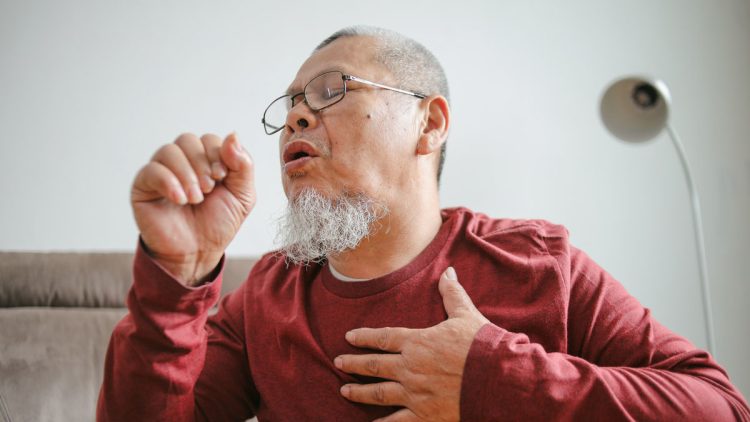
What is RSV?

Respiratory syncytial virus, generally referred to as RSV, is a common respiratory infection that impacts children and adults. A lot of children contract RSV prior to the age of two. RSV is not typically a severe condition; nevertheless, higher risk groups — particularly infants — could arise in severe cases and necessitate a hospital visit.

What is RSV?

RSV is an infection that leads to inflammation of the lungs and respiratory tract. The peak period for RSV to circulate is throughout the colder seasons. A lot of children and adults with RSV are going to have mild symptoms comparable to the common cold and recover in 1 to 2 weeks. In children a year or younger, RSV is the most general cause of inflammation of the lungs, like pneumonia and bronchiolitis.

Who is at Risk for RSV?

Individuals at any age can develop RSV, but those at the highest risk of complications comprise of:

  • Preterm infants and children under two years of age
  • Children under two years of age with chronic lung diseases, such as bronchiolitis
  • Adults and children that have impaired immune systems because of illnesses or medical ailments
  • Children under two years of age with congenital (from birth) heart issues
  • Infants under the age of six months
  • Children that have neuromuscular disorders that cause challenges in swallowing or clearing mucus secretions
  • Older adults with lung or heart issues

RSV Causes and Spread

RSV is extremely contagious. It is spread by coming in contact with fluids from an infected individual’s mouth or nose. This can occur by inhaling the droplets of the individual’s sneeze or cough, or by contacting a contaminated surface prior to touching the eyes, nose or mouth. Epidemics typically occur in classrooms, community centers and day care facilities.

In a lot of cases, those with RSV are contagious for 3 to 8 days after their initial exposure. Nevertheless, when an infant or an individual with a weakened immune system comes down with the infection, they could be contagious for up to a month.

Symptoms of RSV

Usually, symptoms of RSV begin within four to six days following exposure. The initial symptoms are usually mild, and like those of the common cold. Typical symptoms could include:

  • Runny nose
  • Wheezing
  • Coughing
  • Low fever
  • Sneezing
  • Decreased appetite

In many cases, the infection is going to lead to serious respiratory disease in infants. Get a hold of a doctor if you notice:

  • High fever
  • Exhaustion
  • Worsening cough
  • Flaring nostrils or chest muscles noticeably pulling in and out, denoting breathing problems
  • Bluish hues of skin (fingers and lips)
  • Speedy or irregular breathing
  • Wheezing
  • Difficulty drinking, eating or swallowing

Diagnosis of  RSV

RSV may be diagnosed by a health care professional following seeing symptoms and results from a physical examination. Additional tests, like a nasal wash or nasal swabs may additionally be used for diagnosis.

RSV Treatment

For individuals with moderate symptoms, no particular treatment is required. OTC pain medications or fever reducers can help control symptoms. Aspirin must NOT be provided for children or teenagers in the course of viral illnesses.

Those with RSV should drink plenty of fluids to avoid getting dehydrated.

Children with serious symptoms may require a visit to the hospital to receive more fluids, oxygen therapies or utilization of a ventilator breathing device. Anti-viral medications may be utilized in the treatment of some patients with serious cases in the hospital.

Prevention of RSV

RSV spreads easily from individual to individual. The appropriate steps to take to avoid the spreading of RSV, especially when experiencing cold-like symptoms, are:

  • Washing your hands for a minimum of 20 seconds.
  • Try not to touch your face with unwashed hands.
  • Avoid close contact with others (particularly sick individuals), like shaking hands, sharing drinking or eating utensils, and kissing.

Vista Winds Is An Upscale Retirement Community Located In Peoria, Arizona

If you are doing research about retirement communities in Peoria, Arizona, Vista Winds Retirement Home should definitely be on your list. Vista Winds offers retirement living at its finest. We have a rich calendar of activities, meals prepared by a Chef and caregivers on staff 24 hours a day for your health and safety. We offer award winning independent livingassisted living and memory care services. Come tour our community to see how we are a step above the rest and how easy it is to Make Yourself at Home! Vista Winds is surrounded by amazing views and our resort style property will be sure to impress!
What Causes COPD
Written by webtechs

What Causes COPD?

After a while, exposure to lung irritants such as tobacco smoke or chemicals can adversely affect your lungs and airways. This lengthy period of exposure can cause chronic obstructive pulmonary disease (COPD), which includes emphysema and chronic bronchitis. The main factor of COPD is smoking, nevertheless 25% of people living with COPD have never smoked.

  • Smoking
  • Job related exposures
  • Air pollution
  • Alpha-1 Antitrypsin Deficiency

COPD Safety Factors

COPD is typically called “smoker’s disease” however even though smoking is one of the primary safety factors for developing COPD, people that have never smoke can also develop COPD. Other safety factors might include:

  • A background of childhood respiratory infections
  • Smoke exposure from wood or coal burning stoves
  • Secondhand smoke exposure
  • Individuals with a history of asthma
  • Individuals that have underdeveloped lungs
  • People that are forty years old and older as lung function wanes as you age

Whereas these causes and safety factors may increase your risk to develop COPD, people that live in poverty and people that live in rural areas have more potential to develop COPD. Besides smoking status, other reasons for the increased risk to develop COPD may include exposure to indoor and outdoor irritants, job related exposures and lack of health care access.

Early Warning Signs of COPD

Don’t postpone talking to your health care provider concerning respiratory symptoms—early detection could improve your quality of life.

Reduce Your Risk for COPD

If you are concerned about developing COPD, you can implement steps to decrease your risk.

Avoid Exposure to Secondhand Smoke.

Keep up to date with your COVID-19, pneumonia, and flu vaccinations. These vaccines help safeguard you against respiratory viruses.

When you are exposed to chemicals, dust and fumes through your place of employment, use proper protective equipment and take safety training courses.

COPD is a progressive illness, and it can worsen after a while. If you have safety factors for COPD or are experiencing symptoms, do not put off talking to your health care provider. The sooner you are diagnosed with COPD, the earlier treatment can start.

Vista Winds Is An Upscale Retirement Community Located In Peoria, Arizona

If you are doing research about retirement communities in Peoria, Arizona, Vista Winds Retirement Home should definitely be on your list. Vista Winds offers retirement living at its finest. We have a rich calendar of activities, meals prepared by a Chef and caregivers on staff 24 hours a day for your health and safety. We offer award winning independent livingassisted living and memory care services. Come tour our community to see how we are a step above the rest and how easy it is to Make Yourself at Home! Vista Winds is surrounded by amazing views and our resort style property will be sure to impress!
What is Arthritis?
Written by webtechs

What is Arthritis?

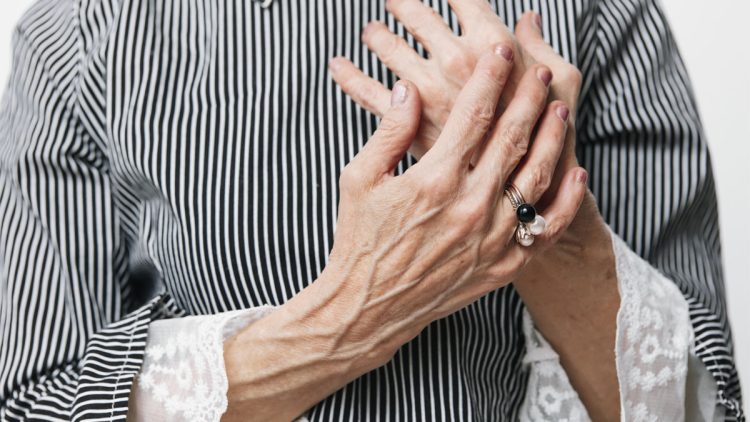
Arthritis is the swelling and sensitivity of one or more of your joints. The primary symptoms of this disease are inflexibility and joint pain, which usually gets worse as you grow older. The most general kinds of arthritis are osteoarthritis and rheumatoid arthritis.

Osteoarthritis is the cause of cartilage breaking down. Rheumatoid arthritis is a disease in which your immune system assaults the joints, starting with the joints lining.

Uric acid crystals, which develop when there is excessive uric acid in your blood, can be the cause of gout. Underlying diseases or infections, like psoriasis or lupus, can be the cause of other kinds of arthritis.

Treatments differ subject to the kind of arthritis. The primary objectives of arthritis treatments are to decrease symptoms and improve standard of living.

Symptoms

The most common symptoms and signs of arthritis involve the joints. Subject to the kind, symptoms and signs might include:

  • Pain
  • inflexibility
  • Redness
  • Reduced range of motion
  • Swelling

Causes

The two primary kinds of arthritis — osteoarthritis and rheumatoid arthritis — cause damage to joints in various ways.

Osteoarthritis

The most general kind of arthritis, osteoarthritis, entails wear-and-tear damage to a joint’s cartilage. Cartilage pads the ends of your bones and allows almost non-friction joint motion; nevertheless, too much damage could result in bone grinding on bone, causing pain and limited movement. This wear and tear can happen over many years, or it can be hurried by a joint infection or injury.

Osteoarthritis can also cause changes in the bones and degeneration of the ligaments that attach muscle to bone and keep the joint together. When cartilage in a joint is seriously damaged, the lining of the joint might become swollen and inflamed.

Rheumatoid arthritis

With rheumatoid arthritis, the body’s immune system assaults the membrane of the joint capsule, a strong membrane that encompasses all the joint parts. The synovial membrane comes to be swollen and inflamed. The disease progression can ultimately devastate cartilage and bone inside the joint.

Risk factors

Risk factors for arthritis include:

Family history. Some kinds of arthritis run in families, so you might be more prone in developing arthritis when your parents or brothers/ sisters have the condition.

Age. The chance of many kinds of arthritis — including osteoarthritis, rheumatoid arthritis and gout — increase as you get older.

Your gender. Women are more prone than men in developing rheumatoid arthritis, whereas most of the individuals that have gout, another kind of arthritis, are men.

Prior joint injury. Those that have injured a joint, maybe while participating in a sport, are more prone to ultimately develop arthritis in the injured joint.

Obesity. Carrying extra pounds places stress on your joints, specifically your knees, hips and spine. Those with obesity have a higher chance to develop arthritis.

Complications

Severe arthritis, specifically if it impacts your hands or arms, can make it demanding for you to carry out day-to-day tasks. Arthritis of weight-carrying joints could keep you from walking effortlessly or sitting upright. In many cases, joints may slowly lose their shape and alignment.

Vista Winds Is An Upscale Retirement Community Located In Peoria, Arizona

If you are doing research about retirement communities in Peoria, Arizona, Vista Winds Retirement Community should definitely be on your list. Vista Winds offers retirement living at its finest. We have a rich calendar of activities, meals prepared by a Chef and caregivers on staff 24 hours a day for your health and safety. We offer award winning independent livingassisted living and memory care services. Come tour our community to see how we are a step above the rest and how easy it is to Make Yourself at Home! Vista Winds is surrounded by amazing views and our resort style property will be sure to impress!

More Articles About Retirement

Crafts For Seniors with Arthritis
Written by webtechs

Crafts For Seniors with Arthritis

Maintaining health and wellness can become difficult as we get older, especially for those who are struggling with arthritis. The ailment can be the cause of joint pain, swelling, and stiffness making it challenging to perform day-to-day tasks. Nevertheless, taking part in art projects and crafting ideas for the elderly has benefited them, including better physical and emotional health. At Vista Winds Retirement Community, we understand the vital role of creative expression in improving the standard of living for our residents.

Why Are Art Projects for the Elderly Important?

Craft ideas for the elderly with arthritis are important as they promote the following:

  • Cognitive capabilities
  • Social involvement
  • Coordination
  • Improved self-esteem
  • Improved hand-eye coordination

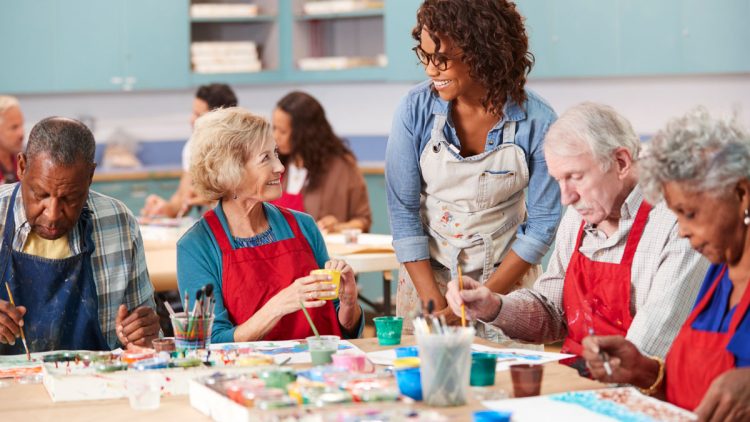
These activities can also offer a sense of achievement as seniors finish their projects. When finished in groups, art projects for the elderly are a perfect way to promote meaningful relationships and connections with other seniors.

Seniors that struggle with arthritis have decreased mobility, and taking part in simple art projects that can be accomplished at home easily can help relieve pain and discomfort. Art therapy has been utilized as a form of rehabilitation and treatment for those with physical and emotional difficulties as the result of different disabilities and ailments.

5 Crafts for Seniors with Arthritis

Crafts are a great way for seniors to spend some time getting creative. The following are only some of the crafts seniors with arthritis can do. Keep reading to learn more.

1. Flowerpot Painting

Flowerpot painting is a perfect craft idea for those with arthritis. Seniors can paint the pot lively colors and embellish them with stickers, glitter, and decorations. The finished pot can be used as a planter for smaller plants or as a decorative art piece.

2. Beaded Jewelry

Beaded jewelry making is an ideal craft idea for the elderly with arthritis. Seniors can create bracelets or necklaces by threading beads on strings. This activity enhances fine hand eye coordination and imagination.

3. Picture Collages

Seniors can create picture collages with old photos of family and friends. The project entails the cutting of pictures, gluing them on paper, and embellishing the collage with glitter and stickers. This activity helps to vitalize memory, and seniors can recall past moments stuck in time.

4. Yarn Painting

Seniors can utilize heavy yarn to produce artwork. They can glue the yarn in patterns or create designs on canvases. This activity for seniors is perfect for those with arthritis, as it is easily done and requires minimal dexterity.

5. Card Making

Card making is a great way for seniors to express their creativity and create personalized cards for friends and family. In this art project for seniors, various materials can be used—such as colored paper, stickers, ribbons, and buttons for decorating the card. This activity also improves hand-eye coordination.

How Senior Living Services and Communities Can Help

Senior living services and communities like Vista Winds Retirement Community have established activity workshops that encourage physical, mental, and societal development for seniors. These activities can comprise of art classes, painting and crafting programs, music and dance classes, recreation, and group excursions. These programs strive to keep seniors involved in mentally stimulating activities and at the same time build social connections. Senior living staff are also trained to work with seniors struggling with arthritis, providing assistance with movement and equipment like ergonomic chairs or assistive devices to help with craft making.

Vista Winds Is An Upscale Retirement Community Located In Peoria, Arizona

If you are doing research about retirement communities in Peoria, Arizona, Vista Winds Retirement Home should definitely be on your list. Vista Winds offers retirement living at its finest. We have a rich calendar of activities, meals prepared by a Chef and caregivers on staff 24 hours a day for your health and safety. We offer award winning independent livingassisted living and memory care services. Come tour our community to see how we are a step above the rest and how easy it is to Make Yourself at Home! Vista Winds is surrounded by amazing views and our resort style property will be sure to impress!

More Articles About Retirement

1 2 3 7