

Retirement Home vs Nursing Home
Written by webtechs

Retirement Home vs Nursing Home

Choosing when and where you or your elderly loved one should reside and receive their required care is always going to come with its challenges. For a lot of families, the decision often comes down to understanding the difference between retirement homes vs. nursing homes. Whereas the terms are often used interchangeably, these two kinds of senior living provide very different environments, services and degrees of care. Keep reading to find out what a retirement home vs nursing home is.

What Is a Retirement Home?

Retirement homes, usually referred to as a senior living community, are designed for elderly loved ones that wish to enjoy an active, hassle-free lifestyle without having the responsibility of owning a home.

When somebody asks, “What is senior living?”, the answer usually begins here – with communities that put their focus on bonding, purpose and interaction.

People residing at retirement homes commonly enjoy:

  • Lifestyle-focused conveniences, like fitness centers, gardens and footpaths
  • Services and conveniences provided, such as housekeeping, restaurant-type dining, transportation and concierge service
  • Alternative assistance, comprising help with day-to-day tasks or access to Assisted Living services if requirements change

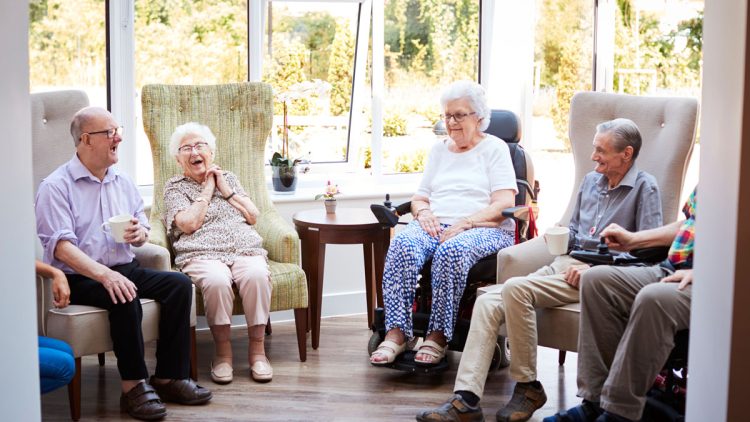
The setting is social, rewarding, and established around community life – in which residents can enjoy free time doing hobbies, attending events and connecting with neighbors.

What Are Nursing Homes?

Nursing homes, often called skilled nursing facilities, provide around the clock medical care for individuals that have complex health requirements. Dissimilar to retirement homes, the emphasis here is on medical support and rehabilitation instead of lifestyle.

Nursing homes provide:

  • Full-time skilled nursing care and medication administration.
  • Personal care services, such as bathing, getting dressed and mobility assistance.
  • Rehabilitation services, like physical, occupation-focused and speech therapies.

Residents living in nursing homes usually require continual medical supervision – for instance, individuals recovering from surgery, chronic management care or living with progressive conditions that require daily medical supervision.

Primary Differences: Retirement Homes vs Nursing Homes

The disparities between these two living alternatives can be summarized in terms of care, day-to-day life, personnel and services:

  • Degree of care: These communities prioritize Memory Care and Assisted Living with voluntary support, whereas nursing homes offer skilled nursing care and full-time medical monitoring.
  • Day-to-day life and setting: Retirement homes provide an active, social and engaging setting. Nursing homes adhere to structured routines designed to fulfill medical needs.
  • Services and conveniences: Retirement communities provide restaurant-style dining, housekeeping services, recreation and wellness programs. Nursing homes provide medication management, therapy and continual medical supervision.
  • Personnel and support: Retirement homes have lifestyle personnel and caregiver professionals, whereas nursing homes have medical personnel and RNs on-site round-the-clock.

The most significant difference comes down to care versus lifestyle. Retirement homes prioritize independence and engagement, whereas nursing homes are designed for individuals that require medical monitoring and nursing care each day.

How to Make the Right Decision for You or Your Loved One

When exploring senior living alternatives, it’s important to take into consideration both healthcare requirements and individual preferences.

Here are a few primary steps:

  • Evaluate care requirements: Consider chronic ailments, mobility and memory concerns.
  • Consider lifestyle objectives: Would your loved one appreciate a vibrant community with social activities, or do they require additional medical support?
  • Compare degrees of care: Inquire whether the community offers Independent Living Memory Care, Assisted Living, or Skilled Nursing.
  • Tour communities: Touring communities, meeting personal and exploring conveniences can help you understand the setting and support available.

Vista Winds Is An Upscale Retirement Community Located In Peoria, Arizona

If you are doing research about retirement communities in Peoria, Arizona, Vista Winds Retirement Home should definitely be on your list. Vista Winds offers retirement living at its finest. We have a rich calendar of activities, meals prepared by a Chef and caregivers on staff 24 hours a day for your health and safety. We offer award winning independent livingassisted living and memory care services. Come tour our community to see how we are a step above the rest and how easy it is to Make Yourself at Home! Vista Winds is surrounded by amazing views and our resort style property will be sure to impress!
How Long Does Hospice Last
Written by webtechs

How Long Does Hospice Last?

The answer isn’t a single solution. Whereas hospice is intended for patients with a life expectancy of six months or less, the realistic length of care can vary considerably. Some patients start hospice only in their final days, while others receive support for many months—or possibly longer—subject to their condition and timing of registration.

At Vista Winds Retirement Community, we help families understand what to expect, what’s required to stay in hospice care, and why beginning earlier can make a significant difference.

What Is the Intended Duration of Hospice Care?

Hospice care is available to patients that have been diagnosed with a terminal illness and are anticipated to live six months or less if the illness takes its typical course. This regulation is set by Medicare, which also manages eligibility for a lot of private insurance and Medicaid hospice benefits.

Nevertheless, this six-month period of time is not a hard cap. Patients are not inevitably going to lose hospice services when they outlive it; if they continue to be medically eligible.

Why Hospice Care Duration is Going to Vary

The duration a patient gets hospice care is subject completely to when the decision to register is made.

  • A lot of patients start hospice very late, usually during active dying, and might pass away inside of hours or days.
  • Others decide on hospice sooner in their illness and get care for many weeks or months.
  • A lower amount of patients remain in hospice for longer than six months, particularly if they experience a progressive decline.

It’s usually found that families wait too long to start hospice, sometimes passing up a chance on valuable support services that might have improved standard of living.

Not certain if now is the correct time? The following is how to ascertain the signs it may be time for hospice.

What If a Patient Lives Longer Than Six Months?

When a patient lives longer than six months, they can keep receiving hospice care—if they still meet eligibility requirements.

The following is how it works:

  • Following the initial admission period, patients get recertified every ninety days for the first 2 periods.
  • Following that, recertification happens every sixty days.
  • A hospice physician or nurse practitioner is required to confirm that the patient still has a terminal ailment with a life expectancy of six months or less.

If this requirement is met, hospice care could continue for a duration longer than six months.

Can Hospice Be Withdrawn or Paused?

Yes. Patients can withdraw from hospice care at any time if they decide to:

  • Resume curative or life-extending treatments
  • Undergo hospitalization
  • Looking into experimental therapies

In many cases, a patient’s condition might stabilize or improve to the point that they are no longer eligible. If that occurs, they may be released from hospice—but they can return later if their terminal illness advances again.

Why Beginning Hospice Earlier is Important

Deciding on hospice sooner than later offers more than simply symptom alleviation; it allows time for:

  • Attentive care planning
  • Pain and symptom management
  • Emotional and spiritual support
  • Decreased ER and hospital visits
  • Improved support for family caregivers
  • Better standard of living for the patient

Families that utilize hospice for longer time periods often report higher satisfaction and less stress throughout the end-of-life journey.

Vista Winds Is An Upscale Retirement Community Located In Peoria, Arizona

If you are doing research about retirement communities in Peoria, Arizona, Vista Winds Retirement Home should definitely be on your list. Vista Winds offers retirement living at its finest. We have a rich calendar of activities, meals prepared by a Chef and caregivers on staff 24 hours a day for your health and safety. We offer award winning independent livingassisted living and memory care services. Come tour our community to see how we are a step above the rest and how easy it is to Make Yourself at Home! Vista Winds is surrounded by amazing views and our resort style property will be sure to impress!

Elderly and the Heat
Written by webtechs

Elderly and the Heat

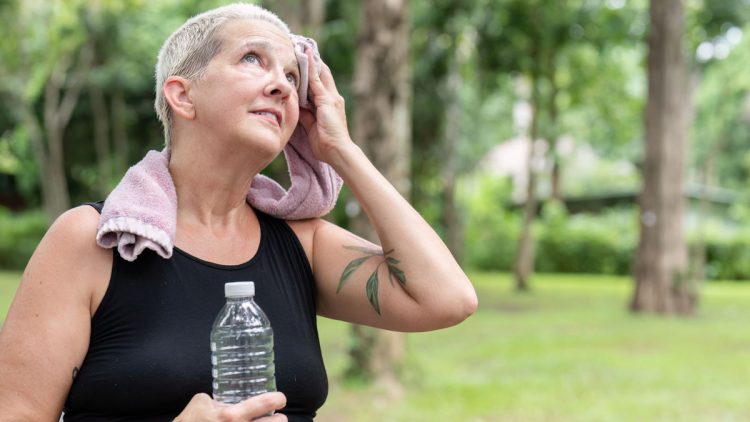
Those aged 65 or older are more susceptible to heat-related health issues.

If you’re an older adult, caretaker, or loved one, review this page for information on how you or the individual you’re caring for can stay safe when it’s hot outside.

What increases risk

Stay cool and hydrated throughout hot weather.

  • Older adults don’t adjust as well as younger people to abrupt changes in temperature.
  • They are more prone to have a chronic medical ailment that changes normal body responses to hotter weather.
  • They are more prone to taking prescription medicines that impact the body’s capability to manage its temperature or sweat.

Stay safe when the weather is hot outside

  • Stay cool and hydrated.
  • Stay in air-conditioned areas wherever feasible. When your home doesn’t have A/C, get a hold of your local health department or find an air-conditioned shelter near you.
  • Do not depend on a fan as your primary cooling source when it’s genuinely hot outside.
  • Drink more water than normal and don’t put it off until you’re thirsting to drink. If your healthcare professional restricts the amount of fluids you drink or has you taking water pills, ask them how much you need to drink throughout hot weather.
  • Try not to use the stove or oven for cooking, it is going to make you and your home warmer.
  • Try wearing loose, light-weight, light-colored clothes.
  • Take cool showers or baths for cooling yourself down.
  • Do not participate in very vigorous activities and get a good amount of rest.
  • Keep an eye on neighbors or friends and have somebody do the same for you.
  • Adhere to additional tips on how to hinder heat-related issues.

Stay informed

  • Keep an eye on the local news for safety and health updates.
  • Find medical care without delay when you have, or somebody you know has, symptoms of heat-related illness such as headaches, muscle cramps, nausea or vomiting.
  • Additionally, check air-quality levels – so you can better plan your week with your health a priority.

Vista Winds Is An Upscale Retirement Community Located In Peoria, Arizona

If you are doing research about retirement communities in Peoria, Arizona, Vista Winds Retirement Home should definitely be on your list. Vista Winds offers retirement living at its finest. We have a rich calendar of activities, meals prepared by a Chef and caregivers on staff 24 hours a day for your health and safety. We offer award winning independent livingassisted living and memory care services. Come tour our community to see how we are a step above the rest and how easy it is to Make Yourself at Home! Vista Winds is surrounded by amazing views and our resort style property will be sure to impress!
Sleep Apnea and Dementia
Written by webtechs

Sleep Apnea and Dementia

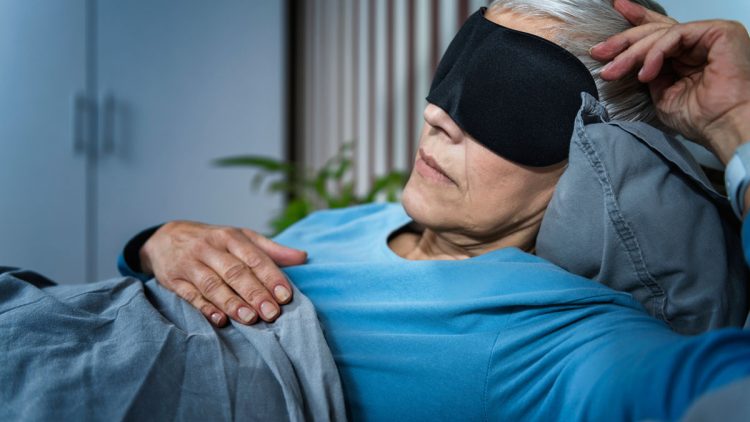
Sleep apnea is deemed a risk factor for dementia. Those with sleep apnea have been revealed not only to have concentration issues and impaired memory; however, also biomarker changes that are related to Alzheimer’s disease.

What is Sleep Apnea?

Sleep apnea, which implies failure to breathe throughout sleep, can either be non-obstructive or obstructive. Obstructive apnea, breathing fails due to a relaxed airway that declines to open up in spite of the brain’s persistence. In non-obstructive apnea happens you’re your brain omits to signal the breathing muscles that it’s time to get going. In Sometimes after more than sixty seconds of not breathing, the brain triggers an alarm quickly enough to jolt the muscles of breathing back into action. Oftentimes this awakens the sleeper; however, more often the spells of apnea and gasping play the role to only strip sleep of its restful and restorative properties. A respiratory infection or overabundance of alcohol use can also interrupt breathing throughout sleep. Chronic and serious apnea, nevertheless, is an extended, debilitating ailment.

Risk Factors for Sleep Apnea

Getting older, with its decrease in muscle tone, is a crucial risk aspect for sleep apnea. Men have sleep apnea occur more than women, although women can also be impacted. Obesity, smoking, overabundance use of sedatives or alcohol, or a definite family history of sleep apnea are also risky aspects. Additionally, more than 50% of those that have Down syndrome also have sleep-associated breathing issues.

The Risks of Untreated Sleep Apnea

One of Shakespeare’s works refers to sleep as the “chief nourisher in life’s feast.” throughout sleep, the body proactively restores and repairs itself. Shortage of oxygen throughout sleep interferes with memory creation, blood pressure management, and weight management.

Untreated apnea is related to an increased risk for dementia, heart attack or stroke. In one study, people that have sleep apnea had a 30% increased risk of heart attack or death than those without sleep apnea.

The Connection Between Sleep and Alzheimer’s

Some studies have shown a relation between sleep deprivation and increased degrees of two Alzheimer’s disease-associated proteins in the brain (tau and beta amyloid). Additionally, having trouble sleeping is typical in people that have Alzheimer’s disease. There could be a bi-directional relationship between Alzheimer’s disease and the quality and length of sleep, but more research is required.

Diagnosing Sleep Apnea and Dementia

The present rule of thumb for diagnosing sleep apnea is through a sleep study. This is a trouble-free procedure throughout which measurements are taken of your heart rhythm and rate; respiration; leg movements; levels of oxygen and carbon dioxide; brain waves; and chin and eye actions.

Treatment for Sleep Apnea

Obstructive sleep apnea treatment can be simpler than treatment for apnea that is central or mixed (with both central and obstructive issues). Straightforward steps like restricting alcohol, smoking, sedatives and muscle relaxants; weight loss; sleeping on one side (often reinforced by attaching a tennis ball on the back of the PJ’s or using a “fanny pack” to bed) or elevating the head of the bed could help. Physical training has been shown to decrease sleep apnea even in the lack of weight loss.

Vista Winds Is An Upscale Retirement Community Located In Peoria, Arizona

If you are doing research about retirement communities in Peoria, Arizona, Vista Winds Retirement Home should definitely be on your list. Vista Winds offers retirement living at its finest. We have a rich calendar of activities, meals prepared by a Chef and caregivers on staff 24 hours a day for your health and safety. We offer award winning independent livingassisted living and memory care services. Come tour our community to see how we are a step above the rest and how easy it is to Make Yourself at Home! Vista Winds is surrounded by amazing views and our resort style property will be sure to impress!
What is Respite Care?
Written by webtechs

What is Respite Care?

Caregiving for an individual that has an ailment can be draining; however, when that individual is in their later stages of life, caregiving takes on a whole new level of challenges. Care requirements are typically intensified, and the patient might require more frequent medication, specialized wound care and help with feeding and using the bathroom. The uncertainty of when death is going to happen additionally puts emotional stress on the caregiver.

All of this can lead to caregivers losing sleep and living in isolation and concern, which can cause depression, anxiety and fatigue, also known to as “caregiver burnout.” Some caregivers that face especially intense burnout might think about quitting, a choice that could require the patient to be moved into a retirement community or other facility.

It is vital for those that are taking care of someone near the end of life also to take care of themselves by getting plenty of rest and trying to make time for themselves away from the requirements of caregiving.

Individuals Requiring Caregiving

End-of-life individuals that receive hospice care are qualified for “respite care,” established and covered by the Medicare Part A hospice benefits. Hospice respite care enables a family caregiver to take a break of up to five subsequent days and nights from caregiving responsibilities while the individual is cared for in a Medicare-approved inpatient facility.

These facilities are typically nursing homes; however, hospice providers have provisions with a number of suitable twenty-four-hour long-term care communities that can provide respite care. Some hospice service offers in-house inpatient hospice teams for infrequent respite care.

What Exactly Is Respite Care?

Medicare has established respite care as, “… temporary inpatient care provided to the individual only when required to release a family member or the individual caring for the person at home.”

Qualifying circumstances include:

  • Some caregivers might be struggling with mental or physical exhaustion from taking care of a patient 24 hours a day
  • Caregivers that would wish to attend a family event like a wedding, graduation, birth, funeral, etc.
  • Caregivers that become ill and can no longer take care of the individual.

Who Receives Respite Care?

Members of the hospice service team, that are in a position to detect the signs of caregiver burnout, can request the team physician to provide an order to check a patient into a Medicare-endorsed facility. Caregivers, on their own volition, can also request respite care for an individual to take a little time for themselves. Many caregivers are apprehensive to do so; however, this is reckless.

Caregivers that take time for themselves come back better able to take on their responsibilities. Respite care can additionally be beneficial for the patient. The fact that their hospice team can call on a day and night facility to fulfill their needs provides some patients with a sense of autonomy, and a reaffirmed appreciation of their caregiver following the break.

To acquire the most from respite care, plan in advance. Subject to your hospice agency, there could be a minimal cost, maybe 5% of the expense of care. Ask questions ahead of time. After that plan on how you are going to use your respite time. It is recommended that caregivers take regular and adequate respite periods and make this an essential and meaningful break from the caregiving routine.

Continuing Care

Through respite care, the hospice service team is going to continue to accelerate the patient’s care plan, while the facility staff still provides the care that would have been provided by the family caregiver. This type of care can be offered periodically, guaranteeing that the caregiver can rest and enjoy time away with knowledge that their loved one is well taken care of.

Not every caregiver requires up to five days and nights to appreciate a break in caregiving responsibilities. Relief can usually be found through shorter breaks. Whereas a hospice care team member or trustworthy friend is visiting a patient, the patient’s caregiver could use that time for running errands, taking a walk or meeting up with friends.

Vista Winds Is An Upscale Retirement Community Located In Peoria, Arizona

If you are doing research about retirement communities in Peoria, Arizona, Vista Winds Retirement Home should definitely be on your list. Vista Winds offers retirement living at its finest. We have a rich calendar of activities, meals prepared by a Chef and caregivers on staff 24 hours a day for your health and safety. We offer award winning independent livingassisted living and memory care services. Come tour our community to see how we are a step above the rest and how easy it is to Make Yourself at Home! Vista Winds is surrounded by amazing views and our resort style property will be sure to impress!

What are the Final Stages of FTD
Written by webtechs

What are the Final Stages of FTD?

Frontotemporal dementia is a result of damage to neurons situated in the frontal and temporal lobes of the brain. Additionally known as frontotemporal disorders (FTD), evidence of this disease comprises uncommon behaviors, in addition to emotional issues.

The 7 Stages of Frontotemporal Dementia

Frontotemporal dementia, like a lot of types of dementia, is going to ultimately develop slowly. As reported by NIA.NIH.gov, this disease typically impacts individuals 40 to 60 years of age.

Stage 1. No Symptoms

Stage one is going to see the individual show no symptoms at all.

  • Throughout stage one, the disease hasn’t advanced to the phase in which any changes are noticeable.
  • At this time, individuals are going to present themselves as absolutely healthy and normal.

Stage 2. Mild Symptoms

Mild symptoms are going to appear throughout the second stage of this disease. A lot of dementia patients are going to experience memory issues as the first sign of the disease. Nevertheless, this is not the case with FTD.

  • Patients might experience some minor changes in both social behavior and general personality.
  • Symptoms are still very astute throughout this stage.
  • A diagnosis might even be missed throughout stage two.
  • Many symptoms could merely be categorized as stress.

Stage 3. Some Cognitive Difficulties

This stage is in which cognitive difficulties are typically noticed by friends and family members.

  • Changes can comprise diminishing social skills and usage of language.
  • Functional and working memory are also going to start to decline.
  • Obsessive actions can happen at this stage of the disease.
  • Symptoms displayed throughout stage three usually alarm loved ones.

Stage 4. Noticeable Symptoms

At this point, there is clearly something wrong with the individual. Previously unknown signs are now clear.

  • The individual is going to have trouble with typical, everyday exchanges.
  • Language skills are continually declining.
  • A diagnosis made at this stage could still be deemed an ‘early onset’ diagnosis.
  • It’s feasible that some treatments could be offered to the individual, which might not work throughout later stages.

Stage 5. Full-Time Care Required

This stage is usually deemed the disease’s halfway point. The individual is going to ultimately require day and night care at this stage.

  • Language is going to be on a serious decline.
  • Declining social skills.
  • The individual might not react adequately to a lot of situations.
  • The disease certainly begins to accelerate throughout stage five.

Stage 6. Severe Cognitive Issues

Loss of self-control, cognitive problems, and a drop in judgement are going to all happen throughout this stage.

  • Poor self-restraint is another symptom experienced, which is reason for the 24/7 caretaking.
  • Pronunciation issues are going to persist.
  • Individuals could attempt to totally isolate themselves.

Stage 7. Final Stage

The final stage is, regrettably, the most difficult stage for the individual and their loved ones.

  • Individuals are going to become withdrawn and uncommunicative.
  • Assistance is going to be required for every task.
  • Motor and verbal capabilities are going to disappear.
  • Declining to cooperate is quite typical at this stage.

Vista Winds Is An Upscale Retirement Community Located In Peoria, Arizona

If you are doing research about retirement communities in Peoria, Arizona, Vista Winds Retirement Home should definitely be on your list. Vista Winds offers retirement living at its finest. We have a rich calendar of activities, meals prepared by a Chef and caregivers on staff 24 hours a day for your health and safety. We offer award winning independent livingassisted living and memory care services. Come tour our community to see how we are a step above the rest and how easy it is to Make Yourself at Home! Vista Winds is surrounded by amazing views and our resort style property will be sure to impress!
Written by webtechs

Sleep Disorders in Older Adults

Sleep disorders in the elderly involve any disruption of their sleep pattern. This can comprise problems falling or staying asleep, excessive sleep, or unusual behaviors concerning sleep.

Causes of Sleep Disorders

Sleep problems are not uncommon in older adults. The amount of sleep required stays constant throughout our adult years. It is suggested that adults get seven to eight hours of sleep every night. In the elderly, sleep is less deep and spottier than sleep in those that are younger.

Sleep disorders in older adults may be the result of any of the following:

  • Alzheimer’s disease
  • Use of alcohol
  • Changes in the body’s natural sleep/ wake cycle, causing some of those to fall asleep earlier in the evening
  • Chronic disease, like heart failure
  • Specific medicines, supplements, herbs, and recreational drugs
  • Depression (this is a common cause of sleep issues in the old and young alike)
  • Brain and nervous system ailments
  • Not being very active
  • Pain caused by diseases like arthritis
  • Stimulants like caffeine and nicotine
  • The need to urinate during the night

Symptoms of Causes of Sleep Disorders in Older Adults

Symptoms that may occur include:

  • Trouble falling and staying asleep
  • Difficulty distinguishing night and day
  • Waking up early in the morning
  • Waking up throughout the night (for instance, to use the bathroom)

Examinations and Test

Your healthcare provider is going to revisit the timeline and carry out a physical examination to ascertain it there are any medical causes and establish which type of sleep disorder is causing the issue.

Your healthcare provider may suggest you start keeping a sleep diary or that you have a sleep study (polysomnography) carried out.

Treatment For Sleep Disorders in Older Adults

Alleviating chronic pain and managing medical conditions like nocturia or frequently going to the bathroom may improve sleep in some people. Treatments for depression are going to often improve sleep.

Going to sleep in a quiet room, that is the perfect temperature and having a peaceful bedtime routine could help promote symptoms. Other ways to encourage sleep include this healthy way of living tips:

  • Stay away from large meals shortly before going to sleep. A small bedtime snack could be beneficial. A lot of people find that warm milk promotes sleepiness, because it contains a natural, sedative-like amino acids.
  • Stay away from stimulants like caffeine for at least three or four hours prior to bed.
  • Exercise at regular times every day, however, not within three hours of your bedtime.
  • Head for bed and wake up at the same time each day.
  • Avoid taking naps.
  • Stay away from TV or using your computer, cell phone, or tablet in the bedroom.
  • Avoid tobacco products, particularly prior to sleep.
  • Only use the bed for sleeping or sexual encounters.

If you are unable to fall asleep after twenty minutes, get out of bed and do a quiet activity like reading or listening to soothing music.

Sleeping Pills and Sleep Disorders

If possible, stay away from the use of sleeping pills to help you go to sleep. They could result in addiction and can make sleep issues worse over time if you don’t use them the correctly. Your healthcare provider should evaluate your risks of daytime sleepiness, mental side effects, and falls prior to you start taking sleep medicines.

  • If you believe you require sleeping pills, consult with your healthcare provider concerning which ones are safe for you when taken correctly. Particular sleeping pills shouldn’t be taken for longer than directed.
  • Avoid drinking alcohol at all times when taking/ using sleeping pills. Alcohol can enhance the side effects of every sleeping pill, making them worse.

WARNING: The FDA has petitioned manufacturers of particular sleep medicines to put more powerful warning labels on their products in order for consumers to be more aware of the possible dangers. Potential dangers while taking these medicines include a risky allergic reaction and dangerous sleep-associated behaviors, which could include sleep-driving. Ask your healthcare provider about these risks.

Outlook (Prognosis) of Sleep Disorders

For a lot of people, sleep improves using some type of treatment. Nevertheless, others may continue to have sleep disorders.

Possible Complications of Sleep Disorders in Older Adults

Possible complications could be:

  • Alcohol and/ or drug use
  • Increased risk of falling (because of frequently urinating at night)

Vista Winds Is An Upscale Retirement Community Located In Peoria, Arizona

If you are doing research about retirement communities in Peoria, Arizona, Vista Winds Retirement Home should definitely be on your list. Vista Winds offers retirement living at its finest. We have a rich calendar of activities, meals prepared by a Chef and caregivers on staff 24 hours a day for your health and safety. We offer award winning independent livingassisted living and memory care services. Come tour our community to see how we are a step above the rest and how easy it is to Make Yourself at Home! Vista Winds is surrounded by amazing views and our resort style property will be sure to impress!

Appetite and Dementia
Written by webtechs

Appetite and Dementia

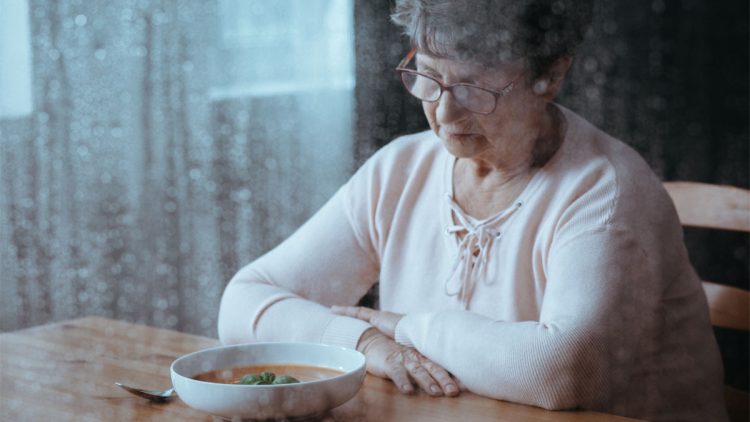
There are a lot of reasons why someone with dementia may go through a change in their connection with food. Many might have lost interest in eating and seem to have decreased appetite, whereas others become worried about not eating enough.

How Can Dementia Impact a Person’s Appetite?

A lot of individuals with dementia lose interest in food, whereas others might eat too much or too frequently. They might have forgotten that they have recently eaten or are concerned about when their next meal is coming.

Lack Of Appetite and Not Eating

An individual with dementia might have lost interest in eating. They may decline to eat it or spit food out. The individual might become upset or agitated or act in a difficult way throughout mealtimes.

If somebody isn’t eating sufficiently, it can result in weight loss and lower muscle strength. They might also feel fatigued and feeble. This can make them more frail and more vulnerable after infections or viruses.

If you’re concerned about somebody that continues to decline to eat, speak to a general practitioner or pharmacist.

Why Somebody with Dementia Might Give Up Eating

A person might have lost interest in, or turned down, food and drink due to a physical difficulty, like issues with chewing and swallowing, or irregularity.

There are other reasons why an individual might give up eating. Comprehending the reason can help you find proper support and resolutions.

Depression

Loss of appetite could be a sign of depression – a commonality in those with dementia. There are effectual treatments for depression, comprise medication and other types of therapies. If you think that the person you are taking care of has depression, speak with a general practitioner.

Communication Barriers

Some may have issues making it known that they’re hungry, that they dislike the food they have been given or that it tastes bad. A person with dementia might be uncertain what to do with the food. They might communicate their needs through their behavior, like declining to eat or keeping food in their mouth.

You could try giving them food options or use incentives and pictures so they can decide on the food they would like to eat.

Pain

They might be in pain or distress, which could make eating challenging. They might have issues with sore gums, their dentures, or sensitive teeth. Going to the dentist for oral hygiene and routine mouth checkups is important.

Fatigue And Concentration

Fatigue can cause those with dementia to not eat or to give up halfway through eating. It can additionally result in other difficulties, such as issues with concentration or with their coordination. Those with dementia may have challenges concentrating on a meal all the way through. Try to encourage them to eat when they are most attentive.

Medication

Changes in medication or their dosage can impact a person’s appetite. If you believe this might be the case, speak to a pharmacist or a general practitioner.

Physical Activity

If they are not that active throughout the day, they might not feel like eating. Reassuring them to be active is going to be good for their health and could increase their appetite.

Similarly, if they are very active or restless – for instance, meandering about or fidgeting – they could use extra calories and might be hungrier than normal or lose weight faster.

What Can You Do to Help?

There are a lot of ways for increasing a person’s appetite and renewing their appeal to food and drink. Knowing the person well and their life story helps, as everybody comes with their own habits, needs, and preferences.

Overeating And Dementia

Many people with dementia might eat too much or too frequently. They might have forgotten that they have already eaten or are concerned about when their next meal is coming.

When a person is eating too much, they could also eat foods that their medical practitioner has notified them not to eat. They could often ask about or look for food. This could be distressing for them and those around them.

Specific types of dementia, like frontotemporal dementia, might be more probable to cause overeating and other changes to eating demeanor. These might include changes in dietary preferences and fixation with particular foods.

Vista Winds Is An Upscale Retirement Community Located In Peoria, Arizona

If you are doing research about retirement communities in Peoria, Arizona, Vista Winds Retirement Home should definitely be on your list. Vista Winds offers retirement living at its finest. We have a rich calendar of activities, meals prepared by a Chef and caregivers on staff 24 hours a day for your health and safety. We offer award winning independent livingassisted living and memory care services. Come tour our community to see how we are a step above the rest and how easy it is to Make Yourself at Home! Vista Winds is surrounded by amazing views and our resort style property will be sure to impress!
More Articles About Retirement

Sleep and Aging
Written by webtechs

Sleep and Aging

Is your sleep unlike when you were young? It happens to the best of us.

Almost half of the population over the age of sixty-five say they have no less than one sleep issue. With age, a lot of people have other sleep issues or insomnia.

It’s true that as we get older, our sleep patterns vary. Overall, older individuals sleep less, wake up then fall back asleep more frequently, and spend decreased time in REM sleep or dreaming than their younger counterparts.

However, at any age, you still require quality rest/ sleep to be healthy.

What Causes Sleep Problems as we get Older?

Some typical reasons include:

Poor sleep routines: When you don’t keep a constant schedule for going to bed and waking up, it can impact on your body’s circadian rhythm, making it even harder to get a good night’s sleep. Additionally, at any age, it’s a negative if you consume alcohol prior to bedtime, take too many naps, or lie in bed when you are not actually sleeping.

Medications: Many medications make it challenging to fall or stay asleep or possibly stimulate you to stay awake. If you believe that could be your case, ask your healthcare professional to check.

Anxiety, stress, or heartbreak: Getting older brings a lot of life changes. Many are positive. Others are really difficult. When you lose somebody you love, move out of your family home, or have an issue that changes the way you live, that can result in stress, which can impede your sleep.

If changes like these impact you or an aging loved one, speak with your healthcare professional or an advocate. It could help calm you down so you can sleep better.

Sleep disorders: Other than insomnia, these comprise apnea, restless leg syndrome, sleepwalking, and REM sleep behavior disorder. Your healthcare professional can see if you suffer from one of these ailments.

Too much downtime: A lot of people stay active well into retirement age. However, if your days are too inactive, you may find it more challenging to get a good night’s sleep.

Do You Get Enough Sleep?

Everybody is different. If you sleep to a lesser degree than when you were young but still feel rested and energetic throughout the day, it could be that now you require less sleep.

However, if you have realized that your lack of sleep impacts you throughout the day, let your healthcare professional know. There are measures you can take to get better sleep. A lot are simple adjustments to your daily routine, such as setting a regular bedtime, staying more active, and taking measures to ease your mind prior to you hitting the hay.

Vista Winds Is An Upscale Retirement Community Located In Peoria, Arizona

If you are doing research about retirement communities in Peoria, Arizona, Vista Winds Retirement Home should definitely be on your list. Vista Winds offers retirement living at its finest. We have a rich calendar of activities, meals prepared by a Chef and caregivers on staff 24 hours a day for your health and safety. We offer award winning independent livingassisted living and memory care services. Come tour our community to see how we are a step above the rest and how easy it is to Make Yourself at Home! Vista Winds is surrounded by amazing views and our resort style property will be sure to impress!

More Articles About Retirement

The Benefits of Aging
Written by webtechs

The Benefits of Aging

A lot of the things we relate to getting older, the aching, pains and lapses in memory—are tough to tolerate and has become clichéd of what it means by getting older. Nevertheless, as we’re living longer and usually healthier lives, we acknowledge that in a lot of areas we improve as we get older.

Greater sense of acceptance of self and of others; the want for connection and the means to produce it; life experiences that help us make wise choices; knowledge and empathy—all are available to us as we age. And remember, gratitude. Being thankful for our families and our mental, physical, and financial health increases as we age and enables us to simply be happy to be alive.

Chronological Vs. Physiological Age

It is stressed that age—our chronological age— is simply just a number. It’s our physiological age, like cardiac functionality for instance, that really identifies those as middle-age or older.

Improvements With Age

Some of the benefits we associate with getting older may be because of the survival effect. People that become older are the survivors and are more tolerant. Others might pass away from disease, accidents, suicide, substance abuse, or other reasons out of their control. Those survivors are hardly likely to fall into depression or have substance abuse issues than a lot of their youthful counterparts.

Having said that, as we get older, our mental state can get sharper. People assess raw intelligence with the conventional IQ test, and older individuals may have a minor decline due to memory loss. We lose some connections—the way we remember and place things into context—with age.

However, it is feasible to learn new information. It always happens as older individuals learn to utilize new technology PCs and smart phones. It simply seems easier for younger individuals to have more accessible space on their mental hard drives.

Emotional and social intelligence typically do improve as we get older. Older individuals have less emotional instability and a better comprehension of relationships and have figured out tactics for various situations—known as wisdom.

Wisdom With Aging

Particular nerve cells in our brains are required for the fight or flight response that helps us survive. However, as we get older, the number of these cells in the sympathetic nervous system and an area in the brain called the locus ceruleus could drop to 50%, causing the capability to create anxiety to decrease. Younger individuals typically experience panic, for instance, but following age 60 or 65, new onset panic disorder is uncommon and almost unknown since those neurons are simply not there.

Generally, it takes longer to respond as we age, which could be a disadvantage in situations such as traffic. At the same time, a longer response time provides an older individual with additional time to figure out the issue and present a thought-out response. This added time reduces impulsivity, which can be a significant issue among many younger individuals. Acknowledging cause and effect of different situations is acquired from life experiences. And as we get older, we get more proficient at addressing a variety of matters, which could also allow for more overall tolerance.

Alternatives for social interactions and community involvement could increase with age as individuals utilize senior centers or live in retirement communities where social activities are boundless. Older people view social relationships from a wide outlook and like to have a broader circle. They acknowledge that having a small circle could make them more prone to depression. And throughout the pandemic, a lot of those older, more isolated individuals held onto their positive perspective using Zoom and other virtual ways. They discovered ways to stay connected and remain more tolerant.

Normal Aging or Disease?

If progression in medicine and public health continue, the average individual might live to be well over 100 years old. It may be hard to imagine now; however, it’s theoretically feasible.

The variation between normal aging and disease is usually challenging to determine. For instance, blood pressure rises for just about everyone as they age, so is that typical aging or disease? The same holds true with loss of memory. A lot of individuals have difficulty remembering names, places, and so forth; however, is it normal aging or Alzheimer’s disease?

It is a continual medical discussion; however, if the average individual lived to 100 or more, many of them would have Alzheimer’s and a lot of them would have high blood pressure. The severity one’s functional impairment would simply be different.

Maintaining quality of life while getting older is going to require effort in an individual’s younger years. Routine exercise and eating a healthy diet are known to reduce the risk for heart disease and stroke and maintain cognitive functionality. And social activities are vital for physical and mental welfare.

Vista Winds Is An Upscale Retirement Community Located In Peoria, Arizona

If you are doing research about retirement communities in Peoria, Arizona, Vista Winds Retirement Home should definitely be on your list. Vista Winds offers retirement living at its finest. We have a rich calendar of activities, meals prepared by a Chef and caregivers on staff 24 hours a day for your health and safety. We offer award winning independent livingassisted living and memory care services. Come tour our community to see how we are a step above the rest and how easy it is to Make Yourself at Home! Vista Winds is surrounded by amazing views and our resort style property will be sure to impress!

More Articles About Retirement

1 2 3 8