
How Much Does A Wheelchair Weigh
Written by webtechs

How Much Does A Wheelchair Weigh?

On average, a manual wheelchair weighs between 15-60 lbs. Power wheelchairs can weigh anywhere from 50-250 lbs.

Why Wheelchair Weight Matters

Wheelchair weight is ultimately used to determine how well you will be able to push and maneuver them. It’s recommended to take into account your lifestyle, how you plan to use the selected wheelchair and whether or not you will be transporting it. Each type of wheelchair will feature differing weight and dimensions. Let’s look at details below.

Lightweight Wheelchairs

  • Lightweight wheelchairs are designed specifically for lifting and moving.
  • Typically, these wheelchairs are quite easy to lift, push and self-propel.
  • The more lightweight the chair is, the higher the price tag will be.
  • They come with either rigid or folding frames.
  • Folding frames are mostly used by senior citizens.
  • Rigid frames are ideal for individuals who self-propel throughout the day.

Average Weight: 15-35 lbs.

Transport Wheelchairs

  • These wheelchairs feature smaller wheels than the other models.
  • Transport wheelchairs are often used on trips to the park, for example.
  • Due to its smaller wheels, it cannot be self-propelled.

Average Weight: 15-30 lbs.

Standard Manual Wheelchairs

  • You are most likely to see these wheelchairs in an airport or hospital setting.
  • These are heavier than most expect since they are designed for commercial use.
  • Refrain from using standard wheelchairs when planning to self-propel for long distances.

Average Weight: 35-40 lbs.

Heavy Duty Wheelchairs

  • Heavy duty wheelchairs were created for individuals weighing over 300 lbs.
  • A wheelchair ramp is needed when lifting the chair into a vehicle.

Average Weight: 40-60 lbs.

Power Wheelchairs

  • Power wheelchairs can reach up to 8 mph due to the use of an electric motor.
  • These wheelchairs can drive anywhere from 7-20 miles.

Average Weight: 50-250 lbs.

Vista Winds Is An Upscale Retirement Community Located In Peoria, Arizona

If you are doing research about retirement communities in Peoria, Arizona, Vista Winds Retirement Home should definitely be on your list. Vista Winds offers retirement living at its finest. We have a rich calendar of activities, meals prepared by a Chef and caregivers on staff 24 hours a day for your health and safety. We offer award winning independent livingassisted living and memory care services. Come tour our community to see how we are a step above the rest and how easy it is to Make Yourself at Home! Vista Winds is surrounded by amazing views and our resort style property will be sure to impress!

More Articles About Retirement

Assisted Living In Arizona 2025
Written by webtechs

Assisted Living Costs Arizona

On average, assisted living in Arizona will cost $3,000 per month, with prices ranging from $1,500-$6,000. Exact costs of assisted living services will depend on the quality of the community and the location, according to SLS Communities.

How Much Does Assisted Living Cost?

Many costs are associated with assisted living communities. Assisted living is also more costly than any independent living options due to how much care is provided. Which costs can you plan and budget for when choosing an assisted living facility, though? Generally, these facilities in Arizona require move-in fees, which will serve as a prorated monthly fee. You can expect to pay between $1,000-$5,000, according to WhereYouLiveMatters.

Costs can be broken down into two categories:

  • Rent
  • Services

Services will typically include daily meals and snacks. Housekeeping, activities and scheduled transportation will be included, as well. There are some communities that may offer rent and services together as one package. A package can be customized to fit a potential resident’s exact needs. Arizona currently ranks as the second-most affordable state to retire in.

Assisted Living Cost In Arizona

Here is a look at the typical costs for assisted living in some of the most popular cities in Arizona:

  • Phoenix: $3,500 per month
  • Tucson: $3,695
  • Mesa: $3,150
  • Chandler: $3,600
  • Scottsdale: $4,800 
  • Glendale: $2,461 
  • Gilbert: $2,487 
  • Peoria$2,948 
  • Surprise$3,250 
  • Sun City: $3,150
  • Sun City West: $5,477
  • Sedona$4,005
  • Youngtown$3,293

Budgeting For Assisted Living

Setting a budget for assisted living costs can be a difficult task. Before choosing the facility, list all the services you currently desire. Also keep in mind possible services that you do not need now, but could need in the future. Location is also extremely important. If staying close to friends and family is a necessity, make sure to choose an area nearby to settle in.

Compare costs at several different communities by listing out the individual prices of housing, meals and services. Find out which community bests meets all of your needs, including financial limitations.

Why Choose Assisted Living In Arizona?

There are many reasons why so many people are choosing to call Arizona home during retirement. For starters, Arizona is one of the most affordable places to live in the country, as mentioned above. Arizona has everything a retiree could want. From breathtaking views to beautiful weather for nearly the entire calendar year, the valley of the sun is a great place to enjoy retirement.

Vista Winds Is An Upscale Retirement Community Located In Peoria, Arizona

If you are doing research about retirement communities in Peoria, Arizona, Vista Winds Retirement Home should definitely be on your list. Vista Winds offers retirement living at its finest. We have a rich calendar of activities, meals prepared by a Chef and caregivers on staff 24 hours a day for your health and safety. We offer award winning independent livingassisted living and memory care services. Come tour our community to see how we are a step above the rest and how easy it is to Make Yourself at Home! Vista Winds is surrounded by amazing views and our resort style property will be sure to impress!

More Articles About Retirement

Best Physical Games For Seniors
Written by webtechs

Best Physical Games For Seniors

Physical activity is crucial for senior citizens. Below are three of the best games for seniors today.

Bocce Ball

Bocce ball dates all the way back to 5200 B.C. Yet, it wasn’t until the 20th century that the game caught on in the United States. Bocce ball is a great activity for seniors today. Eight balls and a pallino will be split up among 2-8 players on the court.

One player will toss the pallino, followed by an additional ball. Said player is now “inside” as the closest on the court to the pallino. Each player will now try to get their balls closer to the pallino. The closest player gets one point at the end of the round. A winner is crowned when 13 individual points are attained.

Health Benefits For Seniors

  • Improves flexibility.
  • Reduces stress.
  • Keeps the mind engaged.

Shuffleboard

Beginning as a pub game in England during the 15th century, the rules of shuffleboard have relatively remained the same. While outdoor and indoor versions of this activity may differ a bit, the objectives do not change.

When one player reaches a score of 15, he/she is victorious. Each player will take alternating turns, sliding the weights across the length of the board. Whoever ends up with their weights representing the highest score wins. Players can surround their weights for protection or knock their opponents’ weights around. If you wish to play a longer game, a high score of 21 can claim first place.

Health Benefits For Seniors

  • Stimulates the mind constantly.
  • Reduces stress.
  • Good workout for several muscle groups.

Line Dancing

Health experts say every person should get at least 30 minutes of aerobic exercise. This is especially true for senior citizens. One great way to get exercise is engaging in line dancing classes with peers.

This activity is great for the heart and will keep you in shape. Line dancing is for everyone, as no previous dancing experience is needed.

Health Benefits For Seniors

  • Lowers the risk of diabetes.
  • Lowers the rate for heart disease.
  • Lowers blood pressure.
  • Improves balances.
  • Improves stamina.

Assisted Living At Vista Winds Located In Peoria, Arizona

If you are doing research about retirement communities in Peoria, Arizona, Vista Winds Retirement Home should definitely be on your list. Vista Winds offers retirement living at its finest. We have a rich calendar of activities, meals prepared by a Chef and caregivers on staff 24 hours a day for your health and safety. We offer award winning independent livingassisted living and memory care services. Come tour our community to see how we are a step above the rest and how easy it is to Make Yourself at Home! Vista Winds is surrounded by amazing views and our resort style property will be sure to impress!

More Articles About Retirement

How To Talk To A Parent With Dementia
Written by webtechs

How To Talk To A Parent With Dementia

It is very important to know exactly how to talk to a parent suffering from dementia about their future. Use our tips below to guide you through these tough conversations.

Tips For Talking To A Parent With Dementia

Dementia can unfortunately alter one’s personality dramatically. Oftentimes, dementia patients are referred to as “empty shells.” This is not always the case, though, as your loved one may seem perfectly normal on some days. These good days are ideal for having an important conversation about their future.

Here are some tips to keep in mind when discussing a loved one’s well-being:

Recognize The Task At Hand

Dementia does worsen over time, so communicating your wishes and desires for your loved one can be a difficult task. Those suffering from dementia tend to have a hard time both communicating and understanding. This conversation will require a lot of patience.

No Distractions

The setting is a crucial aspect of this conversation. Pick a specific location to sit down and have a talk. Make sure there are zero distractions in the area to help your loved one focus and engage in the conversation.

Speak Naturally

Be sure to stay calm during this talk and always speak naturally. Staying calm and collected will undoubtedly put your loved one at ease during this difficult process.

Use Their Name Continually

Use your loved one’s name throughout the talk, refraining from using “he” or “she” during the conversation. This is always an important thing to remember when speaking to anyone suffering from dementia.

Stay Focused

You will want to keep your one loved one focused on a single talking point for a long period of time. Individuals with dementia tend to have a tough time going back and forth in a complex conversation. Remember to stay on task while being very clear and direct in your communication.

Use Nonverbal Cues

Nonverbal cues include smiling, nodding and maintaining eye contact, among other subtle things to keep your loved one calm. These cues are used to comfort the individual while establishing an understanding, at the same time. Nonverbal communication is very important to use during the late stages of dementia.

Listen

Even if you plan on doing the majority of the talking, listening is still key. It’s crucial that your loved one feels heard and valued.

Stay Patient

Give your loved one as much time to think as he/she needs. It may be difficult at times, but stay focused and calm.

Assisted Living At Vista Winds Located In Peoria, Arizona

If you are doing research about retirement communities in Peoria, Arizona, Vista Winds Retirement Home should definitely be on your list. Vista Winds offers retirement living at its finest. We have a rich calendar of activities, meals prepared by a Chef and caregivers on staff 24 hours a day for your health and safety. We offer award winning independent livingassisted living and memory care services. Come tour our community to see how we are a step above the rest and how easy it is to Make Yourself at Home! Vista Winds is surrounded by amazing views and our resort style property will be sure to impress!

More Articles About Retirement

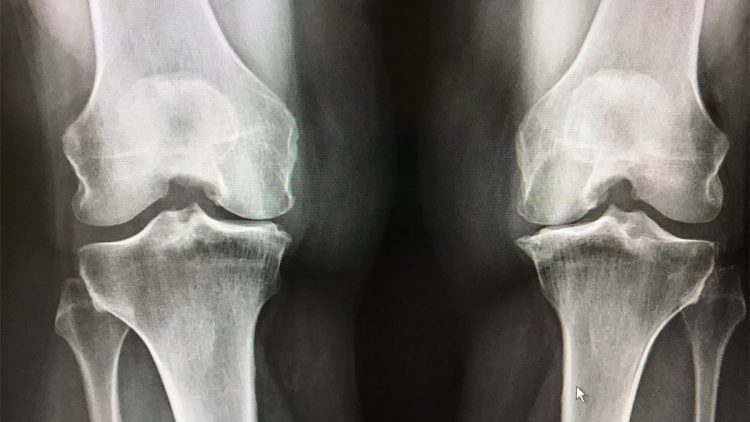
What is Osteoarthritis
Written by webtechs

What is Osteoarthritis?

Osteoarthritis is the most widespread type of arthritis, impacting millions of people throughout the world. It happens when the protective cartilage that pads the tips of the bones wears away over the years.

Even though osteoarthritis can cause damage to any joint, the ailment most commonly impacts joints in the hands, hips, knees, and spine.

Osteoarthritis is the most widespread type of arthritis, impacting millions of people throughout the world. It happens when the protective cartilage that pads the tips of the bones wears away over the years.

Even though osteoarthritis can cause damage to any joint, the ailment most commonly impacts joints in the hands, hips, knees, and spine.

Osteoarthritis symptoms can typically be managed, even though the damage to joints cannot be reversed. Maintaining an active lifestyle, keeping a healthy weight, and receiving specific treatments could slow progression of the disease and help enrich pain and joint function.

Symptoms of Osteoarthritis

Osteoarthritis symptoms typically progress slowly and get worse over time. The symptoms of the disease comprise of:

  • Swelling. This could be caused by soft tissue tenderness around the joint.
  • Stiffness. Joint stiffness might be most obvious upon waking up or after being inactive.
  • Flexibility Loss. You may not be allowed to move your joint through its full-range of motion.
  • Bone spurs. These additional pieces of bone, that feel like hard nodules, can form around the impacted joint.
  • Grating sensation. You could feel a grating sensation when using the joint, and you could hear crackling or popping.
  • Pain. Impacted joints might hurt throughout or following movement.
  • Tenderness. Your joint could feel tender when applying light pressure to or close to it.

When to go to a Doctor

When you have joint pain or stiffness that will not go away, schedule a meeting with your doctor.

Causes of Osteoarthritis

Osteoarthritis happens when the cartilage that pads the tips of bones in your joints over time deteriorates. Cartilage is a firm, slick tissue that allows practically frictionless joint motion.

Over time, should the cartilage wear down completely, bone is going to rub on bone.

Osteoarthritis has sometimes been called a “wear & tear “disease. But aside from the breakdown of cartilage, osteoarthritis alters the whole joint. It makes changes in the bone and weakening of the connecting tissues that holds the joints together and connects muscle to bone. It also creates inflammation to the lining of the joint.

Factors of Risk for Osteoarthritis

Factors that could increase your risk of osteoarthritis comprise of:

  • Older age. The osteoarthritis risk increases as people get older.
  • Sex. Women have more potential to develop osteoarthritis, however it’s not clear why.
  • Obesity. Bearing extra body weight contributes to osteoarthritis in a multitude of ways, and the more you weigh, the increase of risk. Additional weight strains weight-carrying joints, like your hips and knees. Also, fatty tissues creates proteins that can cause detrimental inflammation in and around your joints.
  • Joint injuries. Injuries, like those that happen when participating in sports or from accidents, can increase the risk of osteoarthritis. Even those that happened years ago and appears to have healed can also raise your risk.
  • Repeated stress on the joint. If your job or the sport you participate in places repeated stress on a joint, that joint could eventually produce osteoarthritis.
  • Genetics. Many individuals inherit an inclination to develop osteoarthritis.
  • Bone deformities. Many individuals are born with malformed joints or imperfect cartilage.
  • Specific metabolic diseases. These comprise of diabetes and a condition called hemochromatosis.

Complications of Osteoarthritis

Osteoarthritis is a degenerating disease that gets worse over time, usually chronic pain as a result. Joint pain and stiffness can become relentless enough to make day-to-day tasks challenging.

Depression and sleep disruption can result from the pain and debilitation of osteoarthritis.

Vista Winds Is An Upscale Retirement Community Located In Peoria, Arizona

If you are doing research about retirement communities in Peoria, Arizona, Vista Winds Retirement Home should definitely be on your list. Vista Winds offers retirement living at its finest. We have a rich calendar of activities, meals prepared by a Chef and caregivers on staff 24 hours a day for your health and safety. We offer award winning independent livingassisted living and memory care services. Come tour our community to see how we are a step above the rest and how easy it is to Make Yourself at Home! Vista Winds is surrounded by amazing views and our resort style property will be sure to impress!

More Articles About Retirement

What is gout
Written by webtechs

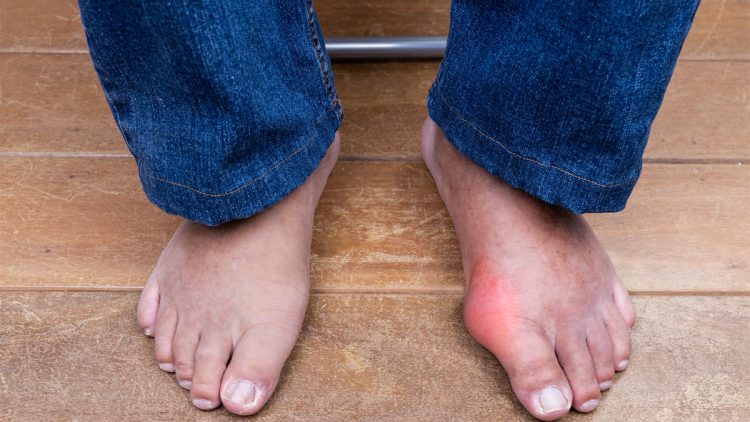
What is Gout?

Gout is a widespread and complex type of arthritis that can impact anyone. It’s described by abrupt, harsh strikes of pain, inflation, tenderness, and redness and in one or more joints, typically in the big toe.

Gout onslaughts can occur abruptly, usually waking people up in the middle of the night with the sense that their big toe is in flames. The impacted joint is hot, inflated and so tender that even the bedsheet weight on it may seem unbearable.

Gout symptoms can come and go, but there are ways to control symptoms and prevent flare-ups.

Symptoms of Gout

The indications and symptoms of gout almost always happen abruptly, and usually at night. They can comprise of:

  • Lingering irritation. After the most severe pain recedes, some joint irritation may last from a couple of days to a couple of weeks. Subsequent onslaughts are likely to last longer and impact more joints.
  • Intense joint pain. Gout usually impacts people’s big toe, but it can happen in any other joint. Other generally impacted joints include their ankles, knees, elbows, fingers, and wrists. The pain is potentially to be most acute within the 1st four to twelve hours after it starts.
  • Limited range of motion. As gout advances, you might not be able to move your joints as normal.
  • Inflammation and redness. The impacted joint or joints turn puffy, tender, warm and reddish.

When to go to a Doctor

If you’re experiencing abrupt, severe pain in a joint, notify your doctor. Gout going untreated leads to increasing pain and joint damage. Seek medical treatment immediately when you have a fever and a joint is warm and inflamed, in which could indicate a sign of infection

Vista Winds Is An Upscale Retirement Community Located In Peoria, Arizona

If you are doing research about retirement communities in Peoria, Arizona, Vista Winds Retirement Home should definitely be on your list. Vista Winds offers retirement living at its finest. We have a rich calendar of activities, meals prepared by a Chef and caregivers on staff 24 hours a day for your health and safety. We offer award winning independent livingassisted living and memory care services. Come tour our community to see how we are a step above the rest and how easy it is to Make Yourself at Home! Vista Winds is surrounded by amazing views and our resort style property will be sure to impress!

More Articles About Retirement

Types of exercise for people with dementia
Written by webtechs

Types Of Exercise for People with Dementia

Exercise can help those suffering from Dementia.

Community or sports complexes typically provide an assortment of organized exercise and physical activity courses, like ball games seated exercises, music and dance, indoor bowling, or indoor/ outdoor swimming. Those with dementia might be able to use an individualized budget, paid for by the state or county. Many examples below can be modified and carried out at home. Fast walking, doing some gardening, and housework are also good types of everyday physical activities.

Individuals in the early emergence of dementia might experience no new difficulties in sporting and other physical activities they appreciate. They should be motivated to continue these activities when they can.

What is the suitable amount of exercise in the beginning to middle emergence of dementia?

There is no defined answer to that question and the suitable amount of exercise is going to differ person to person. The Department of Health & Human Services suggests 150 minutes of somewhat strenuous physical activity each week. This is equivalent to 30 minutes of activity every day, at a minimum of 4-5 days a week. This can be split up into smaller periods in the course of the day, with each period lasting about 10 minutes. As an example, it might be a swift fifteen-minute walk to the local supermarket, and then gardening duties or housekeeping later in the afternoon.

Some exercises for those suffering fromdementia

Below are some instances of the kinds of exercises that a person may carry out. This is in no way a list of all exercises – any sort of exercise is advantageous.

Gardening

Gardening is a physical activity that gives those with dementia the chance to go outdoors and is liked by a lot of people. The degree of activity can be diverse to fit someone’s abilities. It might be something that requires less elbow grease such as clipping or weeding, or a more laborious activity such as raking or mowing the lawn. These activities can help firm up the body’s muscles and strengthen breathing. Gardening can be a pleasing activity for people at every phase of dementia.

Indoor bowling

Many individuals can keep their bowling talents up to par or can take part in other ball games and might appreciate indoor carpet bowling. Many local recreation complexes provide indoor bowling areas, or sets can be acquired at toy stores or sports outlets.

Dance

Dancing can vary from regular dancing and couples or group meetings to more improvised gracefulness including ribbons, balloons, or balls. Dancing can also be performed in seated positions. This is a very socialized activity and an enjoyable way to participate in exercising. Dancing can increase strength and flexibility, assist suffering from dementia with staying well-balanced and nimble, and lowers stress.

Seated exercises

Those suffering from dementia can benefit from a regular program of seated exercises at their home or with a class at a local course. It is usually wise to see these exercises shown at least once by an instructor or through a video. These exercises are designed to build and foster muscle strength and balance and are less demanding than exercises in standing positions. They can be part of a growing routine, with the number of repetitions of each exercise increasing over time. Some instances of seated exercises can include:

  • raising the heels and toes
  • raising the arms upwards to the ceiling
  • raising opposite arms and legs
  • leg bending
  • practicing moving from sitting to standing.
  • making circles with the arms
  • leg bicycling
  • turning the upper body to and fro
  • marching
  • clapping under the legs

Swimming

Swimming, with supervision, is an ideal activity for those suffering with dementia. A lot of people find the feeling of being in the water calming and relaxing. Many reports have shown that swimming can improve balance and decrease the risk of falls in the elderly.

Walking

Walking is for just about anything. It doesn’t cost anything, does not require special devices, and can be carried out anyplace. The time and distance walking can be varied to suit various fitness degrees. Some local recreational centers and other organizations plan group walks, with walk leader assisting, by differing lengths, so it can also be an excellent social activity.

Assisted Living At Vista Winds Located In Peoria, Arizona

If you are doing research about retirement communities in Peoria, Arizona, Vista Winds Retirement Home should definitely be on your list. Vista Winds offers retirement living at its finest. We have a rich calendar of activities, meals prepared by a Chef and caregivers on staff 24 hours a day for your health and safety. We offer award winning independent livingassisted living and memory care services. Come tour our community to see how we are a step above the rest and how easy it is to Make Yourself at Home! Vista Winds is surrounded by amazing views and our resort style property will be sure to impress!

More Articles About Retirement

levels of care for the elderly
Written by webtechs

Levels Of Care For Elderly

Below are the six common levels of care for elderly citizens today.

Levels Of Care For The Elderly

These levels of care start with the least to most concentrated living situations, including:

  • In-home care.
  • Independent living.
  • Assisted living.
  • Respite care.
  • Memory care.
  • Nursing home.

Let’s dive into all of the options below.

In-Home Care

Generally referred to as “aging in place“, in-home care is intended for elderly citizens in need of help around the home. These seniors typically still possess the physical and mental capabilities to survive on their own, though. In-home care usually consists of personal care services provided, administering medications and daily check-ins.

There are numerous benefits of receiving in-home care. These benefits include being able to stay in a comfortable setting for as long as possible while aging. The only downside of this care is it does not typically last very long, as it is intended merely as a placeholder as one transitions to independent or assisted living care.

Independent Living

Independent living is a housing arrangement for those aged 55 and up. The housing types will vary from free-standing homes, apartment living and retirement communities. These communities are designed to let seniors get around as easily as possible. Landscaping and maintenance is usually performed by staff. Just like assisted living communities, independent living communities will offer residents various services and activity options. Communities generally feature pools, fitness center, dining and common areas.

Assisted Living

Assisted living facilities are settings where seniors live independently for the most part, but are provided with assistance when needed. Assistance, of course, will vary based on the individual’s specific needs, such as mobility issues, transportation needs and medication. If living at home has become a bit too hard or dangerous, then it may be time to think about assisted living. Some facilities will be in a residential-style neighborhood or in a large complex.

Respite Care

Respite care is intended for seniors who are a bit apprehensive about transitioning into assisted or independent care situations. In some cases, this care could last upward of a year, while lasting only one month in other scenarios. Essentially, respite care is a test run to see how comfortable an individual may be at an alternative care facility.

Memory Care

Memory care units are designed for residents in need of more specialized care and assistance. Memory care is often referred to as special care units, ideal for senior citizens suffering physically or with dementia/Alzheimer’s. In most cases, memory care units can act as a stand-alone facility or as part of an assisted/independent living community.

Nursing Home

Typically, nursing homes are the most concentrated living situation for seniors today. This care type features more invasive caregiving than any other living arrangement. This level of care is recommended for seniors who need frequent hospitalizations with worsening mental and physical conditions.

Assisted Living At Vista Winds Located In Peoria, Arizona

If you are doing research about retirement communities in Peoria, Arizona, Vista Winds Retirement Home should definitely be on your list. Vista Winds offers retirement living at its finest. We have a rich calendar of activities, meals prepared by a Chef and caregivers on staff 24 hours a day for your health and safety. We offer award winning independent livingassisted living and memory care services. Come tour our community to see how we are a step above the rest and how easy it is to Make Yourself at Home! Vista Winds is surrounded by amazing views and our resort style property will be sure to impress!

More Articles About Retirement

Can The IRS Take Your 401k
Written by webtechs

Can The IRS Take Your 401k

Are you wondering if the IRS can take your 401k and other retirement accounts? Let’s look at what the IRS can do and how you can protect your funds.

Why Is The IRS Trying To Take My 401k Or Retirement Money?

Although retirement accounts are protected from creditors, the IRS is an exception. The general rule says if you can get it, the IRS can too. The biggest reason why the IRS may try to levy your 401k, retirement or pension accounts is because you owe back taxes. Essentially, an IRS levy is a seizure of your assets to cover said tax debt.

The IRS will usually send a notice plus demand for payment to be made. If an individual ignores this notice, the IRS will send a final notice of intent to levy. This will be issued 30 days in advance, on average. Before the IRS performs the seizure, they will investigate your assets to see if you have sufficient equity to pay off your back taxes or else the seizure is prohibited.

The IRS can seize all types of retirement accounts, including 401k plans, IRAs and other self-employed plans like SEP-IRAs and Keogh plans. If, for example, your only source of money is taking distributions from money available in retirement accounts, the IRS does expect you to liquidate the account in order to pay off taxes.

Can The IRS Take My 401k If I Owe Taxes?

Yes, the IRS is able to take your 401k account if you are eligible to take distributions from the account. The IRS is unable to take your 401k money if you are restricted from taking money from the account due to age or other restrictions.

Can The IRS Take My Retirement Money If I Owe Taxes?

Again, yes, the IRS can take your retirement money in the event you owe back taxes. Retirement accounts that can be levied by the IRS include the following:

  • IRAs.
  • Keogh plans.
  • SEP-IRAs.
  • Stock bonus plans.
  • Qualified pension plans.
  • Company profit sharing.

Can The IRS Take My Pension If I Owe Taxes?

Your pension is not a protected asset, meaning the IRS can take it. The IRS can also take money from your bank account, Social Security benefits and even your home, depending on how much money you owe. Before performing a levy, though, the IRS will usually give you options to pay the money back.

How To Defend Your IRA And Retirement Accounts

To defend your accounts against an IRS seizure, you must know the IRS can only get what you get. For example, if you can’t access retirement money, neither can the IRS. Many retirement plans deny you access until you retire, take a job with another company, become disabled or pass away.

The IRS cannot force you to terminate your employment, so the as long as you stay employed, the IRS cannot access your accounts. In this case, the IRS will look into your wages/assets to pay taxes you owe. However, if you do have access to your retirement account(s), the IRS does as well.

Whether or not the IRS will take money out of that fund depends on if your conduct leading up to the tax liability was flagrant or not. Flagrant conduct includes such actions as tax evasion, fraud or making contributions while taxes are owed. If you can prove your conduct was not flagrant or that you depend on the retirement money, the funds cannot be levied.

The IRS is typically hesitant to take retirement funds, but knowing how to protect yourself from seizure is crucial. Setting up a plan to pay back taxes is the best way to protect your retirement accounts. You will also have the chance to prove you rely on these funds.

Assisted Living At Vista Winds Located In Peoria, Arizona

If you are doing research about retirement communities in Peoria, Arizona, Vista Winds Retirement Home should definitely be on your list. Vista Winds offers retirement living at its finest. We have a rich calendar of activities, meals prepared by a Chef and caregivers on staff 24 hours a day for your health and safety. We offer award winning independent livingassisted living and memory care services. Come tour our community to see how we are a step above the rest and how easy it is to Make Yourself at Home! Vista Winds is surrounded by amazing views and our resort style property will be sure to impress!

More Articles About Retirement

Independent Living Costs 2025
Written by webtechs

How Much Does Independent Living Cost In 2022?

On average, independent living for seniors will cost $3,750 per month, with prices typically ranging from $1,500-$6,000 in 2022. Costs will very much depend on quality of facility and location, according to WhereYouLiveMatters.

Paying For Independent Living

A typical service rate will cost between $1,000-$10,000 per month. There is generally a one-time fee that comes with independent living, ranging from $500-$1,500. Anyone thinking of a potential move to one of these communities should first think of the finances associated with such a move. Many seniors share a common fear of their retirement savings simply not being enough for the long term.

Independent living can be compared to an investment, so don’t let the initial sticker price scare you from this living situation. Do research by comparing multiple communities and facilities, then create a budget that you are comfortable with.

Independent Living Costs

Here are typical costs associated with independent living communities:

  • Utilities, not including telephone services and/or expanded cable packages
  • Daily/weekly housekeeping
  • Scheduled activities
  • Transportation services
  • 1 to 3 meals per day
  • Maintenance
  • Emergency systems

Other fees that could come with independent living communities include:

  • Guest meals
  • Guest apartments
  • Unscheduled transportation
  • Extra activities
  • Concierge services

Cost Of Independent Living 2021

How To Find Independent Living Communities

You might think it would be tough at first, but finding a retirement community that fits your individual personality and lifestyle in 2018 is getting easier than ever. New retirement communities are popping up all over the place at a rapid rate. However, we know that choosing the right retirement home can be tough, and for that reason, we put together this guide to help you know what to look for.

  1. Check the location’s temperature. Climate is considered to be one of the most important factors when choosing retirement communities. Do some research about your destination to make sure you can handle weather changes. For example, the average temperature in Peoria, Arizona reaches around 71.95°F, with a high average temperature of 86.4°F and a low average temperature of 57.5°F [1].
  2. Feel the vibe. Every community will have its own vibe or character. One of the best ways of figuring out the vibe of the community is to talk to the residents. This will also help you get to know your potential neighbors. This would also be a great chance to ask the facility director what kind of amenities and activities they offer. Vista Winds offers a full monthly calendar of fun activities you can enjoy including Live entertainment, movies in our state-of-art theater and more.
  3. Plan for future medical needs. Health should be your first consideration as you age. Most communities in the Peoria will offer a variety of advantages, but not everyone of them can provide the right medical care for your individual needs. Before transitioning into a new community, check to make sure that all of your medical needs can be met in the future, whether your health declines or not. Vista Winds offers retirement communities for nearly any stage of your retirement transition, independent living, assisted living and memory care with care givers on staff 24 hours a day.
  4. Determine Your Budget. You want to choose a retirement community that fits your budget. After all the long hard years to grow retirement fund you want to make sure your savings can cover retirement community costs. Seeking the help of a professional financial planner could be one way to find out. Some communities will have monthly fee increases annually. Be sure to ask facilities how often and how much they change their rates every year.
  5. Make a checklist. Having a checklist will help you remember what types of questions you should be asking retirement communities. Depending on the level of care you need, you will need a specific checklist for each of the different types of retirement communities. Feel free to download our help independent living checklist, assisted living checklist or memory care checklist.
  6. Take a look at the activity calendar. Every community will most likely have an activity calendar with a list of activities planned out for the month. Be sure to check and make the activities are ones that you would enjoy. Most communities will offer activities, like tennis, gold and swimming. Staying involved in activities is a great way to stay fit while and maintain good health. Vista Winds offers many activities, including golf, swimming, live entertainment and more.
  7. Learn the rules. Most facilities will have rules and regulation that residents much follow. For example, some retirement homes do not allow pets. Others might have rules about smoking cigarettes or grilling food outdoors. It is wise to research the facility you are interested in to find out what rules they might have and if those rules line up with your lifestyle. Vista Winds does allow pets and reasonable rules for residents to follow.
  8. Security and safety. Most facilities have care givers on staff around the clock to ensure the health and safety of residents. Furthermore, some facilities, like Vista Winds for instance, offer gated entries for your security and privacy, as well as care givers on staff 24 hours a day in case of emergencies. We even provide free housekeeping twice a month and free laundry facilities.
  9. Local Tax Rates. Some communities are more tax friendly than others. The local tax rates in your area are an important consideration when thinking about investing in a specific retirement community. These taxes can be a burden to carry. Make sure and speak the facility owner or director so you know what kind of taxes or additional yearly fees to expect.
  10. Signing The Agreement. Before you sign the leasing agreement, be sure that you know what to expect from the community and that they community knows what to expect from you. If you’ve never lived at a retirement community before, you will be surprised to know that some facilities have rules about decorating your home, parking your car and more. Vista Winds will let you know all of the rules upfront so you know what to expect before moving into our faculty.
  11. “Understand your financing options. For a senior purchasing the best retirement community, it is certainly possible if you are paying in cash. If it’s not the case, you should understand your financial options. This may include mortgage tax.” [2]
  12. Pros and Cons. Create a pros and cons list to help make it easier to choose a retirement home. Having a list of what you liked and what you didn’t like will make the decision a little bit easier. This way you can find out which facility works for your individual personality and lifestyle the best.

Vista Winds Is An Upscale Retirement Community Located In Peoria, Arizona

If you are doing research about retirement communities in Peoria, Arizona, Vista Winds Retirement Home should definitely be on your list. Vista Winds offers retirement living at its finest. We have a rich calendar of activities, meals prepared by a Chef and caregivers on staff 24 hours a day for your health and safety. We offer award winning independent livingassisted living and memory care services. Come tour our community to see how we are a step above the rest and how easy it is to Make Yourself at Home! Vista Winds is surrounded by amazing views and our resort style property will be sure to impress!

More Articles About Retirement

1 3 4 5 6 7